

Eating the wrong foods can trigger inflammation that makes nerve tingling and burning feel much worse. Many adults over fifty find that simple diet changes help them regain their mobility and independence. You can support your nerve health by making smarter choices at the grocery store.
The main foods to avoid with neuropathy include refined sugars, artificial sweeteners, processed grains, and trans fats that trigger chronic inflammation and blood sugar spikes. These spikes can damage nerve fibers, while high-sodium foods and alcohol can restrict blood flow and block vital nutrient absorption. Many people find that removing gluten and dairy helps support nerve comfort, healthy nerve signaling, and cellular energy production for daily mobility and a sense of independence. These statements have not been evaluated by the Food and Drug Administration, and this product is not intended to diagnose, treat, cure, or prevent any disease.
Understanding how nutrition affects your nerves is the first step toward reclaiming your independence. Small changes to your daily meals can have a big impact on how you feel every day. The connection between food and inflammation is the best place to start.
Why Diet Matters for Nerve Health
The foods you eat every day play a central role in how your nerves function. For millions of people living with nerve discomfort, dietary adjustments represent a powerful, drug-free way to regain comfort and mobility. Knowing the link between food and nerve health is the foundation of an effective management plan. When you provide your body with the right nutrients, you create the conditions for healthy nerve signaling and daily vitality.
The link between blood sugar and nerve signals
High blood sugar is one of the most well-documented causes of nerve dysfunction. When glucose levels spike, oxidative stress increases and directly damages small nerve fibers. Research from the National Institute of Diabetes and Digestive and Kidney Diseases confirms that roughly half of people with diabetes develop some form of nerve damage over time. These findings highlight why blood sugar management is critical for anyone concerned about nerve health.
Sugar does more than damage fibers directly. It also fuels the inflammatory processes that amplify nerve discomfort. By choosing foods that support stable blood glucose levels, you help shield your nerves from cumulative harm. Reducing added sugar intake is a measurable step toward protecting long-term nerve function and daily comfort.
Chronic inflammation and the nervous system
Inflammation is the body's natural response to injury, but when it becomes chronic, it can damage the nervous system. According to the National Institute of Neurological Disorders and Stroke, peripheral neuropathy affects approximately 20 million Americans, and many cases are linked to inflammatory conditions. Diets high in processed fats and sodium fuel systemic inflammation, restricting blood flow and compromising the oxygen supply nerves need to function properly.
When blood flow is inadequate, nerves can send irregular signals resulting in tingling, numbness, or burning sensations. An anti-inflammatory diet helps mitigate these responses and supports normal nerve signaling. These statements have not been evaluated by the Food and Drug Administration. This product is not intended to diagnose, treat, cure or prevent any disease.
For readers exploring nutritional approaches, our guide on the best and worst foods for neuropathy provides a helpful starting point for building a nerve-friendly eating plan.
Building a foundation for nerve comfort
Choosing the right foods creates a stable base for nerve health. A comprehensive review published in Clinical Autonomic Research found that dietary and lifestyle modifications can help reduce nerve symptoms and improve quality of life. This underscores that daily habits have a profound impact on how you feel. It is not simply about eliminating problem foods -- it is about consistently supplying your body with the nutrients it needs to repair and protect nerve tissue.
An NIH-supported pilot study found that a low-fat, plant-based diet led to measurable reductions in pain levels within just a few months. Participants also reported better overall quality of life. Pairing these eating patterns with targeted nutrients like those found in the Neuro-Blast System can help you regain the freedom to do the things you love.
Key takeaways: Blood sugar spikes damage nerve fibers through oxidative stress. Chronic inflammation from processed foods disrupts nerve signaling. An anti-inflammatory diet combined with targeted supplementation supports long-term nerve health.
Foods to Avoid with Neuropathy: Hidden Triggers in Your Diet
Your daily food choices are one of the most powerful tools for managing nerve health. While the cellular energy support in Neuro-Blast works from the inside, certain foods can undermine those efforts by triggering inflammation and oxidative stress. Identifying and removing these triggers helps your body stay active and comfortable. This clean approach works with your system to help you get moving again.
Refined Sugars and Oxidative Stress
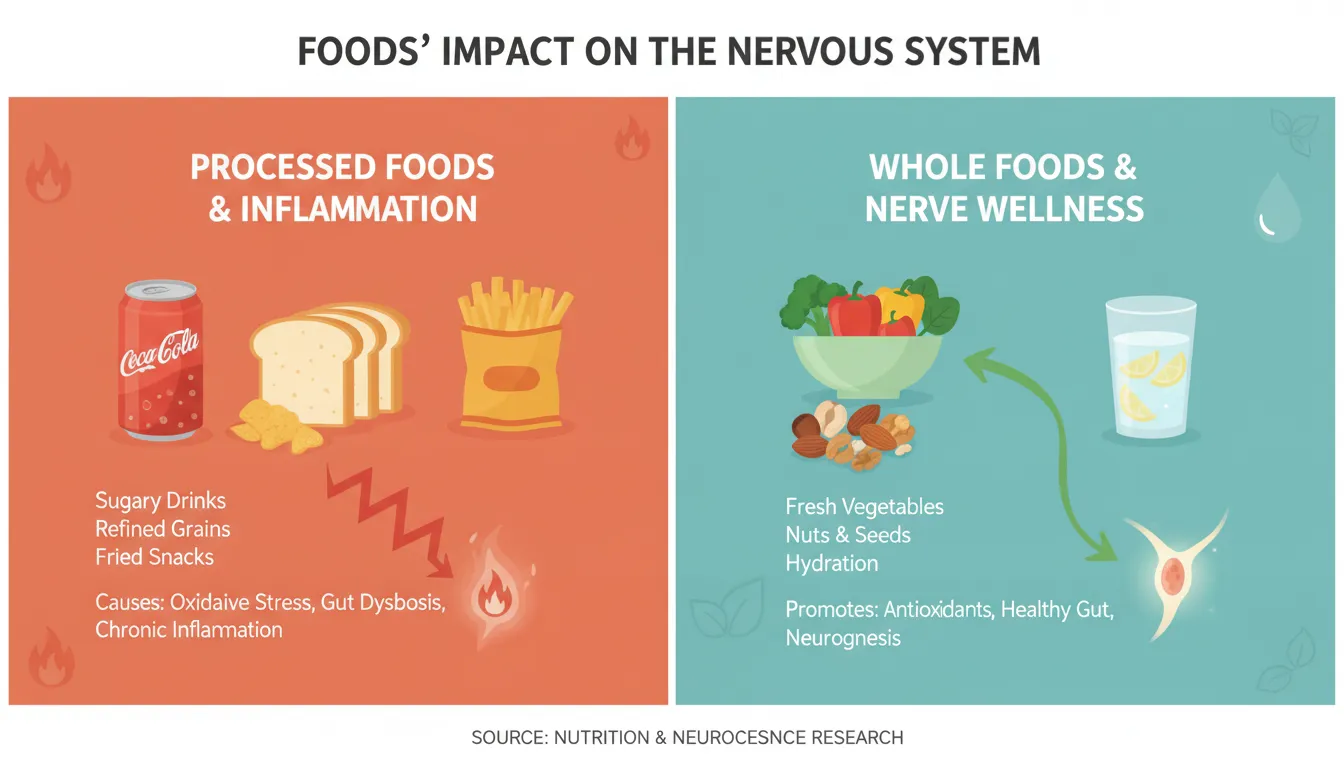
Added sugars are among the most significant dietary threats to nerve comfort. When you consume candy, soda, or sweet baked goods, blood glucose rises rapidly. This spike triggers oxidative stress that directly damages small nerve fibers, often manifesting as increased tingling or burning in the hands and feet. The NIH notes that chronic hyperglycemia accelerates peripheral nerve damage through multiple metabolic pathways. Reducing sugar intake lowers cellular stress and supports healthy nerve signaling.
High-Glycemic Grains and Inflammation
Refined grains like white rice, white bread, and pasta have a high glycemic index, meaning they convert to glucose rapidly after consumption. These blood sugar surges compound existing inflammatory processes, making nerve discomfort worse over time. Choosing whole grains or low-carbohydrate alternatives helps maintain stable glucose levels and reduces the inflammatory burden on the nervous system. This simple swap is one of the most effective dietary changes you can make.
Artificial Sweeteners and Nerve Signaling
Many people turn to diet sodas and sugar-free products to avoid sugar, but some artificial sweeteners may be hidden triggers. Research suggests aspartame and sucralose can influence neurotransmitter activity and potentially alter normal nerve signaling. Some individuals report increased nerve discomfort after consuming artificially sweetened products. If you notice a flare-up after diet drinks, consider eliminating them for two weeks and tracking your symptoms. Switching to water or herbal tea supports healthy circulation and nerve function.
- Read food labels for hidden sugars. Look for high-fructose corn syrup, maltose, and dextrose. These ingredients trigger blood glucose spikes that damage nerve cells over time.
- Swap white grains for complex carbohydrates. Replace white bread and rice with quinoa, oats, or brown rice. These foods digest slowly, preventing the glucose surges that contribute to nerve pain.
- Eliminate diet sodas and artificially sweetened products. Remove products containing aspartame or sucralose for a trial period. Monitor whether nerve symptoms improve during this time.
- Avoid heavily processed snack foods. Many packaged snacks combine refined flour with added sugars and trans fats. Choosing whole foods reduces the toxic load on your nervous system.
- Track your reactions to specific meals. Keep a food diary for one week. Note what you eat and how your nerves feel afterward to identify your personal trigger foods.
Key takeaways: Refined sugars and high-glycemic grains cause oxidative stress that damages nerve fibers. Some artificial sweeteners may disrupt normal nerve signaling. Eliminating these triggers and tracking food reactions helps identify personal dietary sensitivities.
Inflammatory Fats, Gluten, and High-Sodium Foods to Limit
Modern diets contain several food categories that can intensify nerve discomfort. These foods promote systemic inflammation, which places pressure on the nervous system. By identifying and limiting these triggers, you help your body maintain a calm, balanced state -- a critical component of your plan to get moving again.
The Impact of Trans and Saturated Fats
Fried foods, commercially baked goods, and processed snacks are the primary sources of trans and saturated fats. These fats are known to promote chronic inflammation throughout the body. When consumed regularly, they keep the body in a heightened state of inflammatory stress, which can increase nerve sensitivity. The American Journal of Clinical Nutrition has documented that trans fats contribute to systemic inflammation and endothelial dysfunction. Replacing these with monounsaturated and omega-3 fats from sources like olive oil, avocados, and fatty fish supports better nerve outcomes.
Gluten Sensitivity and Nerve Comfort
Gluten, a protein found in wheat, barley, and rye, triggers more than digestive discomfort for many individuals. Emerging research published by the National Institutes of Health identifies a link between gluten sensitivity and peripheral neuropathy, even in people without celiac disease. Gluten can provoke an immune response that inflames nerve tissue, leading to increased discomfort. Some individuals report meaningful symptom improvement after eliminating gluten for several weeks. Testing a gluten-free diet is a low-risk, high-reward intervention for anyone struggling with nerve issues. For more on nutrients that support nerve recovery alongside diet, see our guide on best vitamins for neuropathy.
Sodium Intake and Blood Flow
High-sodium foods -- including chips, cold cuts, canned soups, and frozen meals -- impair circulation by causing fluid retention and elevating blood pressure. Adequate blood flow is essential for delivering oxygen and nutrients to nerve tissues. When circulation is compromised, nerve discomfort often intensifies. The CDC notes that most Americans consume significantly more sodium than recommended. Choosing low-sodium alternatives and preparing meals with fresh herbs instead of salt supports healthy blood pressure and nerve function. The Neuro-Blast System supports healthy nerve function alongside these better food choices.
| Inflammatory Food | Nerve-Healthy Swap |
|---|---|
| Fried chicken and fries | Baked fish or grilled poultry |
| Processed snacks and chips | Raw walnuts or pumpkin seeds |
| White bread and wheat pasta | Quinoa or brown rice |
| Deli meats and cold cuts | Fresh turkey or lean beef |
| Frozen meals and canned soup | Homemade meals with fresh herbs |
Key takeaways: Trans fats drive systemic inflammation that worsens nerve sensitivity. Gluten may trigger immune-mediated nerve inflammation even without celiac disease. High sodium intake impairs circulation, reducing the oxygen supply nerves need to function properly.
Why Alcohol Can Worsen Nerve Discomfort
Alcohol consumption presents multiple mechanisms for aggravating nerve issues. Even moderate drinking can trigger or intensify burning and tingling sensations. Alcohol acts as a direct neurotoxin, and chronic use can lead to a condition known as alcoholic neuropathy, where peripheral nerves progressively deteriorate. According to NCBI Bookshelf, alcoholic neuropathy is one of the most common complications of long-term alcohol use, affecting sensory and motor nerves in the hands and feet.
Direct harm to nerve tissue
Alcohol and its metabolic byproducts are directly toxic to neurons. When consumed, alcohol breaks down into acetaldehyde and other compounds that damage nerve fibers and disrupt signal transmission. This manifests as increasing pain, weakness, and numbness in the extremities. These effects progressively limit mobility and daily function. Eliminating or significantly reducing alcohol intake is one of the most impactful steps you can take to support healthy nerve function.
Depletion of key B vitamins
Your nervous system depends on specific B vitamins -- particularly B1 (thiamine), B6, and B12 -- to maintain the protective myelin sheath around nerves. Alcohol interferes with the absorption and utilization of these critical nutrients. Chronic use rapidly depletes B vitamin stores, leaving nerves vulnerable to damage. Research from the NIH Office of Dietary Supplements confirms that alcohol consumption significantly reduces thiamine absorption and accelerates its excretion. When B vitamin levels fall, the body cannot repair nerve tissue effectively, creating a cycle of increasing discomfort and reduced mobility. A targeted supplement like the Neuro-Blast System can help fill these nutritional gaps and support nerve health at the cellular level.
Steps to reduce alcohol intake
Lowering alcohol consumption allows your body to redirect resources toward nerve repair and maintenance. Replace your evening drink with sparkling water infused with fresh lime or a herbal tea. These alternatives support hydration without introducing neurotoxins. Try mocktails made with fruit juice and soda water for a satisfying ritual that does not compromise your nerve health.
Stay well-hydrated throughout the day to help your body flush toxins and maintain optimal cellular function. Set a weekly drink limit and share your goal with a friend or family member for accountability. Small, consistent steps like these reinforce your commitment to getting moving again.
Key takeaways: Alcohol directly damages nerve tissue through toxic metabolites. It depletes B vitamins essential for the myelin sheath that protects nerves. Reducing or eliminating alcohol intake allows the body to focus on nerve repair and maintenance.
Anti-Inflammatory Foods That Support Nerve Health
Knowing which foods to avoid with neuropathy is only half the equation. Equally important is knowing what to eat. A diet rich in anti-inflammatory foods creates the conditions your nervous system needs to function optimally. By making intentional food choices, you can support nerve comfort, healthy circulation, and sustained energy throughout the day.
Eat More Leafy Greens and Colorful Fruits
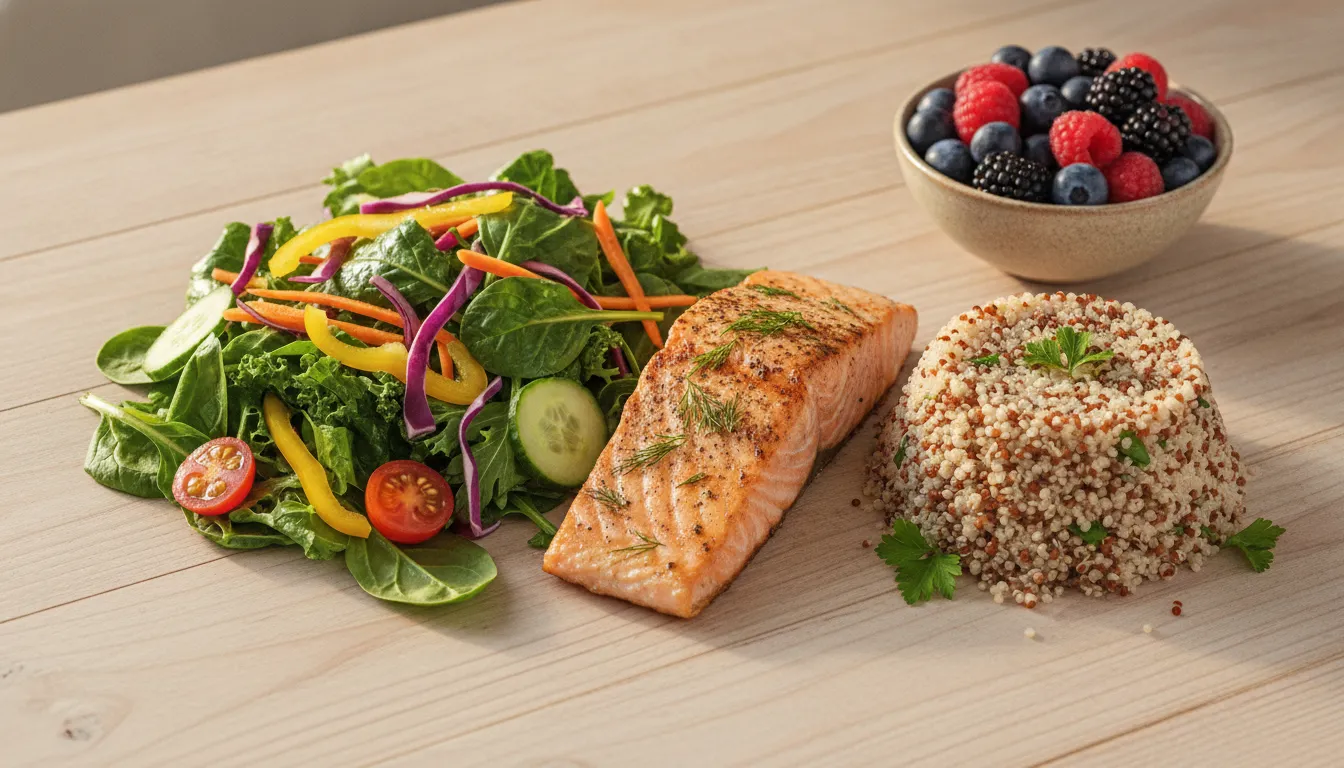
Leafy greens such as spinach and kale are rich in magnesium and B vitamins that support healthy nerve signaling. They also provide vitamin E, a fat-soluble antioxidant that protects cell membranes from oxidative damage. Aim for five to ten servings of colorful fruits and vegetables daily. This variety ensures a broad spectrum of antioxidants that combat the cellular stress underlying nerve dysfunction.
Bright fruits like berries, oranges, and bell peppers deliver high levels of vitamin C and flavonoids that support healthy circulation. Good blood flow is essential for delivering oxygen to nerve tissues. When you eat a rainbow of whole foods, you give your body the tools it needs to maintain nerve comfort and support an active lifestyle.
Focus on Omega-3 Fats and Lean Proteins
Omega-3 fatty acids are among the most potent anti-inflammatory nutrients available. Found in salmon, sardines, mackerel, and plant sources like walnuts and flaxseeds, these fats support the integrity of the myelin sheath that protects nerve fibers. The NIH Office of Dietary Supplements recognizes omega-3s for their role in reducing inflammatory markers throughout the body. Consuming fatty fish at least twice per week is a practical target for most people.
Lean proteins provide the amino acids and B vitamins necessary for nerve maintenance. Chicken, turkey, eggs, and tofu are excellent sources of vitamin B12, which the NIH confirms is essential for neurological function and red blood cell formation. Pairing these protein sources with ingredients that support cellular energy production -- like those found in the Neuro-Blast System -- creates comprehensive support for your nervous system. These statements have not been evaluated by the Food and Drug Administration. This product is not intended to diagnose, treat, cure or prevent any disease.
Choose Whole Grains for Steady Energy
Whole grains such as quinoa, brown rice, oats, and barley provide sustained energy without the glucose spikes associated with refined carbohydrates. These foods help maintain stable blood sugar levels, which is critical for nerve health. High blood glucose contributes to inflammation and cumulative nerve damage over time. By choosing complex carbohydrates, you support healthy circulation and normal nerve signaling while maintaining steady energy throughout the day.
Key takeaways: Leafy greens and colorful fruits provide antioxidants that protect nerve cells from oxidative damage. Omega-3 fatty acids from fish and plant sources support myelin sheath integrity. Lean proteins supply B12 and amino acids essential for nerve repair and maintenance.
How Neuro-Blast Works With a Nerve-Supporting Diet
Dietary changes create the foundation for nerve health, but even the most carefully planned diet can leave nutritional gaps. This is where the Neuro-Blast System enters the picture. Created by Dr. Sharone Stern, Neuro-Blast combines targeted nutrients in a dual-delivery format -- daily capsules for consistent cellular support and an oral spray for convenient on-the-go coverage. This system bridges the gap between what you eat and what your nerves need at the cellular level. It is made in the USA, lab tested, gluten-free, non-GMO, and uses vegetarian capsules.
The 30-day supply includes 90 vegetarian capsules and a 0.5 fluid ounce oral spray designed to support healthy nerve function, cellular energy production, circulation, and normal nerve signaling. When paired with an anti-inflammatory diet, Neuro-Blast provides comprehensive cellular support that helps you maintain your active lifestyle.
Choose the Subscribe and Save option to receive 12% off every order, free shipping, and the flexibility to pause, skip, or cancel anytime. Your satisfaction is backed by a 90-day guarantee. If you are ready to combine clean eating with premium nutritional support, learn more about the Neuro-Blast System and Get Moving, Again.
Key takeaways: Diet alone may leave nutritional gaps for nerve health. Neuro-Blast provides dual-delivery support through daily capsules and an oral spray. Subscribe and Save offers 12% savings, free shipping, and flexible plan management.
Frequently Asked Questions
What are the worst foods for neuropathy?
The worst foods for neuropathy include refined sugars, high-glycemic grains, trans fats, artificial sweeteners, and excessive alcohol. These foods trigger inflammation, oxidative stress, and blood sugar spikes that can damage nerve fibers and worsen symptoms like tingling and burning.
Can diet really help with nerve discomfort?
Yes. Multiple studies, including NIH-supported research, have found that anti-inflammatory diets can reduce pain levels and improve quality of life for people with nerve discomfort. Eliminating trigger foods while increasing anti-inflammatory nutrients helps support healthy nerve signaling and comfort.
Is gluten bad for neuropathy?
For some people, gluten can trigger immune responses that inflame nerve tissue and worsen discomfort. Research from the NIH indicates a link between gluten sensitivity and peripheral neuropathy, even in individuals without celiac disease. A gluten-free elimination trial may help determine personal sensitivity.
How does alcohol affect nerve health?
Alcohol acts as a direct neurotoxin that damages nerve fibers and interferes with the body's ability to absorb essential B vitamins. Chronic consumption can lead to alcoholic neuropathy, a condition characterized by pain, weakness, and numbness in the hands and feet.
These statements have not been evaluated by the Food and Drug Administration. This product is not intended to diagnose, treat, cure or prevent any disease.
For more information on topical nutrients and their role in nerve health, read our guide on ALA vs benfotiamine for nerve comfort.
Ready to take control of your nerve health and comfort today?
You now have a clear understanding of the foods to avoid with neuropathy and the anti-inflammatory choices that can support your nerve health. The path to greater comfort and mobility starts with what you put on your plate. Pair those smart food choices with the targeted cellular support of the Neuro-Blast System to give your nerves the comprehensive care they deserve. Get Moving, Again -- start your journey today with Subscribe and Save and receive 12% off plus free shipping.
