

Numbness in your feet can hide small cuts and blisters that lead to major health risks.
Explore Neuro-Blast nerve health support and Get Moving, Again.
A simple daily check is a vital part of staying active and keeping your freedom.
Foot care for peripheral neuropathy is a daily plan of checking, washing, and guarding your feet to stop sores you might not feel. Since nerve damage makes it hard to feel pain, it is easy to miss small cuts or skin cracks that can lead to bad health risks. According to mayoclinic.org, you should check your feet once a day for red spots, sores, or swelling. This routine includes washing with warm water and wearing shoes that fit well to avoid skin pressure while using a mirror for a clear view. These simple steps help you avoid slow-healing wounds and keep you moving with ease so you stay active every day. By taking these actions, you keep moving and stay in control of your health as you get older.
Why daily foot care for peripheral neuropathy matters
Living with nerve damage means your feet may not feel pain the way they used to. This loss of sensation can hide small injuries like cuts or blisters. Without a daily foot care routine, a minor sore can quickly turn into a serious health issue. Checking your feet every day helps you find these problems before they get worse.
Protecting your feet from hidden injury
When you have peripheral neuropathy, your nerves do not always send clear signals to your brain. You might step on a sharp object or develop a rub from a shoe and never feel it. This is why a daily check is so important. You should look for any redness, swelling, or cracks in the skin. Finding these signs early is the best way to support at-home foot health guidance and avoid infection.
Small cracks in dry skin can let germs into your body. To prevent this, you should use a moisturizing cream on the tops and bottoms of your feet. Keeping the skin soft and strong creates a barrier against bacteria. However, you must avoid putting lotion between your toes. Too much moisture there can lead to other skin issues like fungal growth.
The danger of walking without shoes
Walking barefoot is risky for anyone with reduced feeling in their feet. Even inside your home, a small stray item can cause a deep cut that goes unnoticed. Experts at the U.S. Department of Veterans Affairs recommend that people with nerve damage always wear shoes. Keeping your feet covered provides a layer of safety from thermal burns or sharp edges.
Your choice of footwear also plays a big role in your comfort and safety. Shoes should fit well and offer plenty of room for your toes. Tight shoes can cause pressure sores that you may not feel until they break the skin. By wearing supportive shoes every day, you reduce the stress on your feet and help maintain your mobility.
Working with a medical team
Daily care at home is vital, but it does not replace the help of a pro. A foot doctor can find bone changes or skin issues that you might miss. They can also show you the best way to trim your nails or treat calluses safely. Having a regular check with a clinician ensures that your feet stay in the best possible shape.
While home habits help, some people also use a system like Neuro-Blast to support their daily needs. This doctor-made kit includes capsules and a spray that support healthy circulation and normal nerve signaling. These statements have not been evaluated by the Food and Drug Administration. This product is not intended to diagnose, treat, cure or prevent any disease.
Your daily foot safety checklist
Check both feet every day, wash and dry them carefully, moisturize the skin but not between the toes, and inspect shoes before wearing them.
Why a daily check matters
Nerve damage can make it hard to feel pain or heat in your feet. This means you might not know if you have a cut or a burn. A small injury can turn into a serious infection quite fast. That is why foot care for peripheral neuropathy must be a daily habit. By checking your feet every day, you can find small issues before they get worse.
The Veterans Health Library says nerve damage can cause bone and tissue changes. This makes daily checks vital to keep your feet safe and healthy. This simple act helps you avoid big health problems later. Proper care now can save you from a lot of pain in the future.
Morning and evening routines
Start your day by looking at both feet in a bright room. Look for blisters, sores, or red spots on the skin. If you have a hard time seeing the bottom of your feet, use a hand mirror. This makes it easy to spot hidden cracks or bruises that you might miss.

You can also ask a friend to check for you if you cannot see well. In the evening, do the check again to see if anything changed while you were moving. A warm spot on your foot might mean a sore is starting to form. Daily checks help catch problems early.
Safe washing and drying
Cleaning your feet is a big part of your support options for peripheral neuropathy. Wash your feet every day in warm water, but never hot water. You can use your elbow to test the water temp to make sure it is safe for your skin. Use a mild soap and a soft cloth to clean all parts of your feet gently.
After washing, dry your feet by patting them with a soft towel. Do not rub the skin too hard, as this can cause small tears. Make sure the skin between your toes is very dry to stop germs from growing. Proper drying is a simple way to stay safe.
Proper skin and nail care
Dry skin can crack and let germs enter your body. To prevent this, use a skin cream or lotion on the tops and bottoms of your feet. This keeps the skin soft and healthy. But do not put lotion between your toes because it keeps that spot too damp.
Excess moisture there can cause the skin to break down. You can put talcum powder or cornstarch between your toes to keep them dry instead. If you have calluses, rub them gently with a pumice stone. Ask your doctor to trim your nails to stay safe.
Choosing the right shoes and socks
The right gear is a vital part of your natural nerve comfort approaches. Wear socks with your shoes to prevent blisters. Choose soft, loose cotton socks or special socks made for people with nerve damage. Check your shoes before you put them on to ensure nothing is inside.
Look for small rocks, torn linings, or rough seams that could hurt your skin. Buy shoes that give your toes plenty of room and support your arches. If your feet are different sizes, always buy for the larger foot. Never walk barefoot inside your house because it is risky.
- Look at your feet for cuts, red spots, or swelling.
- Use a mirror or ask for help to see the bottoms of your feet.
- Wash with warm water and soap every single day.
- Dry your feet gently and check between your toes.
- Apply skin cream to keep skin soft, but skip the space between toes.
- Check your shoes for rocks or rough edges before you wear them.
- Put on clean, soft socks that do not pinch your skin.
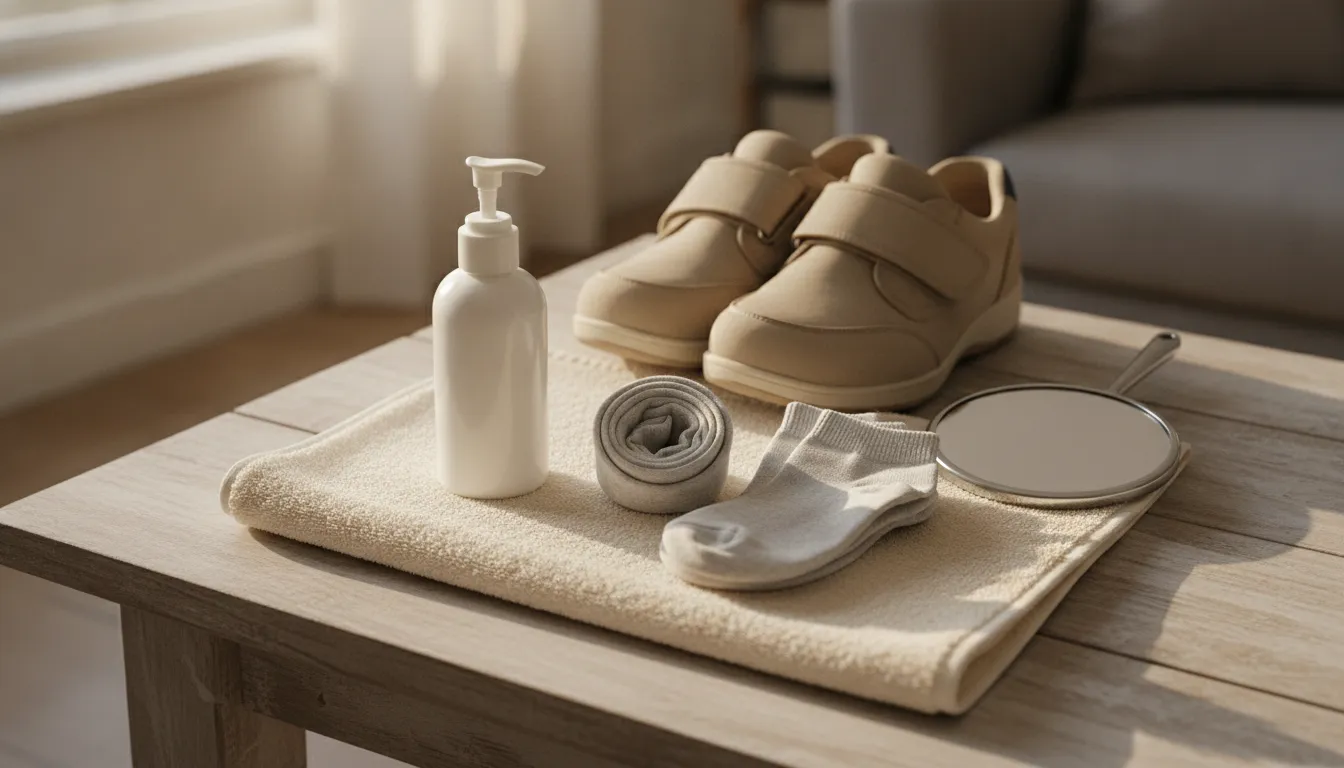
How should you wash and moisturize neuropathic feet?
Good foot care for peripheral neuropathy starts with a clean slate each day. When you have nerve damage, your feet lose the power to feel pain or heat. This change makes your daily bath a task that needs extra care. You must follow a clear plan for proper foot health to stay safe. A simple routine can help you find small issues before they become big problems.
Safe washing methods
You should wash your feet every day to keep your skin clean. Use warm water and a mild soap that does not dry out your skin. It is very vital to check the water heat first. Use your elbow or a tool to make sure the water is not too hot. Since you may not feel high heat, hot water can burn your skin before you even notice a problem.
If you have a helper, ask them to assist you with the water check. This step is a key part of a safe daily foot care routine. Avoid soaking your feet for long times. While a soak might feel good, it can dry out your skin and lead to cracks. According to the Mayo Clinic, a quick wash is much safer for nerve health.
Dry with care
After you wash, you must dry your feet with a soft towel. Do not rub your skin hard. Instead, pat your feet dry to avoid skin tears. Pay close attention to the spaces between your toes. Wet skin can get trapped in these small gaps and lead to sores. This area is often the first place where germs or fungus can start to grow.
Make sure every part of the foot is bone dry before you put on socks. If your toes stay damp, you can use a small amount of cornstarch or talcum powder. Simply dust a bit between the toes to soak up extra moisture. Keeping this area dry is one of the most vital parts of your foot-care safety checklist. It helps protect the skin from getting too soft and peeling.
Apply lotion safely
Keeping your skin soft helps prevent painful cracks. Dry skin is more likely to split, which lets germs enter your body. Use a lotion or cream on the tops and bottoms of your feet every day. This helps the skin stay strong and healthy. Be sure to pick a product that does not have a strong scent or harsh mix.
There is one rule you must always follow when you use lotion. Never put cream or oil between your toes. Extra moisture in that spot can cause the skin to rot or get sick. By only putting lotion on the top and bottom of the foot, you keep the skin soft while keeping the toe gaps safe. This simple plan supports long term health and keeps you moving with ease.
Safer nail and callus care
Trim nails straight across and file sharp edges, but ask a clinician for help if you cannot see, reach, or safely care for your feet.
How to trim nails safely
Nerve damage makes it hard to feel small cuts. To keep proper foot health, you must be very careful. Cut your nails straight across. Do not round the corners. Rounding them can lead to ingrown nails. These often cause sores that you might not feel. Use a file to smooth sharp edges after you cut.
Do not trim your nails alone if you cannot see or reach them. Ask a family member or a doctor to help you. Many people with foot care for peripheral neuropathy see a foot doctor for nail care. These pros have the right tools to do the job safely. This helps you avoid deep cuts that can turn into bad sores.
Safe ways to handle calluses
Calluses are thick spots of skin that form from pressure. They might look safe, but they can hide deep wounds. You should never cut or scrape a callus at home. Cutting into thick skin can cause a deep wound. Also, stay away from chemical tools or liquid removers. These products often have acids that can burn your skin.
Use a pumice stone to care for calluses gently every day. Rub the stone in one way after you wash your feet. This helps thin the skin without a wound. If a callus gets too thick or turns red, see a doctor. Red skin or heat can be a sign of a sore forming under the skin.
When to see a foot doctor
Checking your foot-care safety checklist means knowing when to stop. Some foot tasks are too risky to do at home. See a pro if you notice:
- Corns that hurt or look red.
- Deep calluses that have cracks in them.
- Any sign of germs like pus or heat.
- Thick nails that are hard to cut.
A foot doctor can trim these and check for germs. They can also look for bone changes that might cause the pressure. Check your feet every day for new spots or color changes. Use a mirror to see the bottom of each foot. If you find a sore that does not heal, call your clinic. Quick care is the best way to stay active and on your feet.
What shoes and socks help protect your feet?
Well-fitting supportive shoes and clean, seamless socks help limit pressure, friction, blisters, and unnoticed injuries.
Choosing the right footwear is a key part of practical ways to care for neuropathic feet. When you have less feeling in your feet, your shoes and socks act as the first line of defense against injury. Proper gear helps prevent sores, blisters, and cuts that you might not feel otherwise.
Choose the right shoe fit
Your shoes must fit well to avoid pressure points. Buy shoes that support the heel, arch, and ball of your foot. Avoid tight or narrow shoes that crowd your toes. If one of your feet is larger than the other, always buy the larger size to ensure a proper fit for both feet. Good shoes help you stay active and keep moving with ease.
Check your shoes and socks
Before putting on your shoes, feel the inside for pebbles, torn linings, or rough areas. These small items can cause big problems if they rub against your skin all day. You should also choose soft, loose cotton socks or specialized socks to reduce moisture and pressure. Seamless socks are best because they do not have thick edges that can rub your skin.
Avoid common foot risks
One of the most important rules is to never go barefoot, even inside your home. You should always wear shoes or slippers to prevent cuts and other injuries. If you have foot changes or sores that do not heal, a podiatrist may suggest specialty shoes. These custom options give extra room and cushion to keep your feet safe and healthy.
| Footwear Habit | Protective Habit | Risky Habit |
|---|---|---|
| Indoor Walking | Wear shoes or slippers at all times. | Walk barefoot on hard or soft floors. |
| Sock Selection | Use seamless, loose cotton socks. | Wear tight socks with thick seams. |
| Shoe Inspection | Check shoe interiors for small objects. | Put shoes on without looking inside. |
| Finding the Fit | Buy shoes that support the arch and heel. | Wear high heels or narrow, tight shoes. |
When should you call a clinician about a foot change?
Call a clinician promptly for a cut, blister, sore, redness, warmth, swelling, drainage, color change, or wound that is not healing.
Daily checks are a vital part of foot care for peripheral neuropathy. Because nerve damage can hide pain, you may not feel a cut or sore until it becomes a large problem. Finding small changes early helps prevent deep tissue damage or bone changes. You must look at your feet every day for any sign of a new injury.
Visible red flags on the skin
Contact a clinician if you find a cut, blister, or sore that does not start to heal within 24 hours. Small breaks in the skin can quickly lead to an infection if they go unmanaged. You should also watch for areas of redness or skin that feels warm to the touch. These can be early signs of a foot ulcer forming before a sore is even visible. According to the Mayo Clinic, a higher skin temperature can show the start of an ulcer.
Other red flags include skin color changes like blue or black spots. If you see any drainage, such as pus or clear liquid, on your socks or in your shoes, seek medical help. Never try to cut out a callus or pop a blister on your own at home. Doing so raises your risk for a deep infection. Instead, follow a professional foot-care safety checklist and let a pro handle any wound care needs.
When to seek urgent care
Some foot issues need help right away to prevent long-term damage. Seek urgent medical care if you have a deep cut, a fever, or chills along with a foot sore. These signs can mean an infection has spread. Severe swelling or a sudden change in the shape of your foot also needs a quick check by a doctor. These changes can show bone or joint issues that often happen with nerve damage. Prompt action is the best way to stay safe and keep moving.
How caregivers can support a safer routine
Helping a loved one with foot care is about more than safety. It helps them stay mobile and free. When nerves do not work well, small cuts can turn into big problems. Caregivers play a key role in finding these issues early. By setting up a simple routine, you can help protect their health while valuing their space.
Helping with clear sight for checks
Good light is the first step for a safe check. Nerve damage can hide pain, so your eyes must do the work that their nerves cannot. Make sure the room has bright, even light. This helps you spot small red marks, cracks, or blisters that are easy to miss. If your loved one has trouble moving, use a hand mirror to see the bottoms of the feet. This tool makes it easy to check every inch without pain.
You should also check the areas between the toes. This is where wetness and germs often hide. A daily daily foot care routine should include drying these spots gently. Keeping the skin dry helps stop cracks that can let germs in. If you find any new marks or swelling, write them down right away. This data is vital for their next visit to the doctor.
Daily routines that value freedom
It is vital to ask for consent before you start a check. This keeps your loved one in control of their own body. Pride is just as important as health. You can use a foot-care safety checklist to make the process feel like a team effort. This list helps both of you know what to look for and ensures no steps are missed. It also helps them feel more part of their own care.
Caregivers should also watch for risks in the home. One big risk is walking without shoes. You should help your loved one avoid walking barefoot at all times. Even inside the house, a small stray object can cause a cut they may not feel. According to the Veterans Health Library, people with nerve damage must wear shoes to stay safe. Check their shoes for loose objects or rough spots before they put them on.
- Ask first before starting the foot check.
- Use a bright light to see small skin changes.
- Dry carefully between the toes after washing.
- Keep a log of any new marks or sores.
Tracking changes for the medical team
When you see a change, take a photo and note the date. This creates a clear record for the doctor. Changes in skin color or heat can mean a sore is starting. Noting these details helps the doctor give the best advice. You can also note how they feel and if they have more or less pain than usual. This helps the health team see how the state of their feet is moving over time.
Before a doctor visit, review your notes and photos. This makes the visit faster and more helpful. You can ask the doctor if a change in proper foot health habits is needed. Being ready with facts allows you to be a strong voice for your loved one. It ensures they get the care they need to stay on their feet and stay active.
Support your daily nerve health routine with Neuro-Blast and Get Moving, Again.
Frequently Asked Questions
How does blood sugar control impact neuropathy in the feet?
Keeping blood sugar in a safe range is a key step to protect your nerves because high sugar levels are a main cause of nerve damage. When sugar stays high for a long time, it can hurt the small blood vessels that bring oxygen and food to your nerves. This helps slow down the damage and supports your health as you age, says the Mayo Clinic.
Can exercise help manage peripheral neuropathy symptoms?
Yes, safe exercise can help you control your symptoms and stay active. Low-impact tasks like walking or swimming improve blood flow to your legs and feet. This better blood flow brings needed oxygen to your nerves and may help reduce your pain. Exercise also helps you keep a healthy weight and better blood sugar levels. You should talk with your doctor before you start a new routine to make sure the movements are safe for you.
What should you put on your feet to prevent dry skin and cracks?
Using a good skin cream every day is the best way to protect your feet. Putting these products on the tops and bottoms of your feet helps keep the skin soft and prevents cracks. These cracks are harmful because they allow germs to enter and cause health issues. The Mayo Clinic says you should not put cream between your toes, as too much moisture there can cause fungal growth.
What is the best way to inspect the bottoms of your feet?
Checking the bottoms of your feet daily is vital for finding early signs of injury like cuts or sores. If reaching your feet is hard for you, using a hand mirror can help you see every area clearly. You should look for any redness, swelling, or changes in skin color that could signal a problem. The Mayo Clinic states that catching these small issues early can prevent more serious health problems later on.
Ready to Get Moving, Again with Daily Nerve Support?
Skipping your daily foot check can let a small cut turn into a major risk that takes away your freedom to move and enjoy life. Starting this simple safety list today helps you guard your freedom and keeps your feet strong so you can stay active for many years. Every day you wait is a lost chance to support your nerve health and keep doing the walks and hobbies that you love most. It is much more simple to care for your feet now than it is to deal with a big problem that stops you from walking. Taking this step today means you can face each new day with more peace and far less worry about how your feet will feel. We want to help you stay on your feet and feel good while you do it.
Ready to Get Moving, Again? Call 516-790-0156 to talk to a team member about daily nerve health support.
