

Specific nerve health foods provide the key nutrients needed to keep the peripheral nervous system working well. A balanced diet full of whole foods helps your body get the parts it needs for normal nerve signals and cellular health. Key nutrients include B vitamins such as B1, B6, and B12. These play a vital role in keeping the myelin sheath healthy to protect your nerves. By choosing foods high in antioxidants and healthy fats, you can support your body's natural ability to maintain nerve comfort and mobility. This nutritional path helps you stay active and independent.
Nerve Health Foods: What Are the Best Leafy Greens and Vegetables for Nerve Support?
Leafy greens like spinach and kale, plus cruciferous vegetables such as broccoli and Brussels sprouts. Provide high levels of B vitamins (B1, B6, B12) and folate that support myelin sheath maintenance and nerve signaling. Aim for at least one to two servings daily to support healthy nerve function.
A balanced daily diet provides the base for a healthy body, including the nutrients needed to keep the peripheral nervous system working well. Plant foods are key to this support. Many plants have natural compounds that may help maintain healthy nerve tissue over time. Leafy greens and cruciferous vegetables stand out in this role. These foods provide a high density of vitamins and minerals that your nerves need to stay strong.
The Role of B Vitamins in Nerve Health
B vitamins are some of the most vital nutrients for your nerves. Specifically, B1, B6, and B12 are crucial to maintaining the myelin sheath that protects your nerve fibers. This sheath acts like the coating on a wire. It helps nerve signals travel fast and clear. B1 helps nerve cells make energy to do their jobs. B6 helps keep that protective coating in good shape. B12 is needed for the body to maintain nerves and support their normal function.
Adding more greens to your plate is a simple way to get these B vitamins. Good options include:
- Spinach , very high in folate, supporting nerve maintenance
- Kale , packed with B vitamins and antioxidants
- Collard greens , rich in multiple B-complex nutrients
- Arugula , provides folate and vitamin K for cellular health
- Swiss chard , contains magnesium for nerve signaling
Cruciferous Vegetables and Cellular Support
Cruciferous vegetables like broccoli and Brussels sprouts offer more than just vitamins. They are full of antioxidants that help reduce stress on your cells. Broccoli is also a great source of vitamin K. This nutrient, along with other plant compounds, works to support healthy nerve tissues. These vegetables are easy to add to most meals for a quick health boost.
To get the most benefit, try these simple serving ideas:
- Toss a handful of spinach into a morning smoothie
- Roast Brussels sprouts with olive oil for a quick side dish
- Steam broccoli lightly to preserve the most nutrients
- Add kale to soups or saute it with garlic
Neuro-Blast was developed by Dr. Sharone Stern, DPM, a podiatrist with over 30 years of experience in nerve health. The system combines 90 daily capsules with a 0.5 fl oz oral spray. Giving you two ways to support your nerves: long-term cellular support from capsules and on-the-go support from the spray. The formula includes PEA (palmitoylethanolamide), a compound not found in most competing nerve supplements. Learn how Neuro-Blast works at the cellular level.
How Do Omega-3 Fatty Fish Support Nerve Structure?
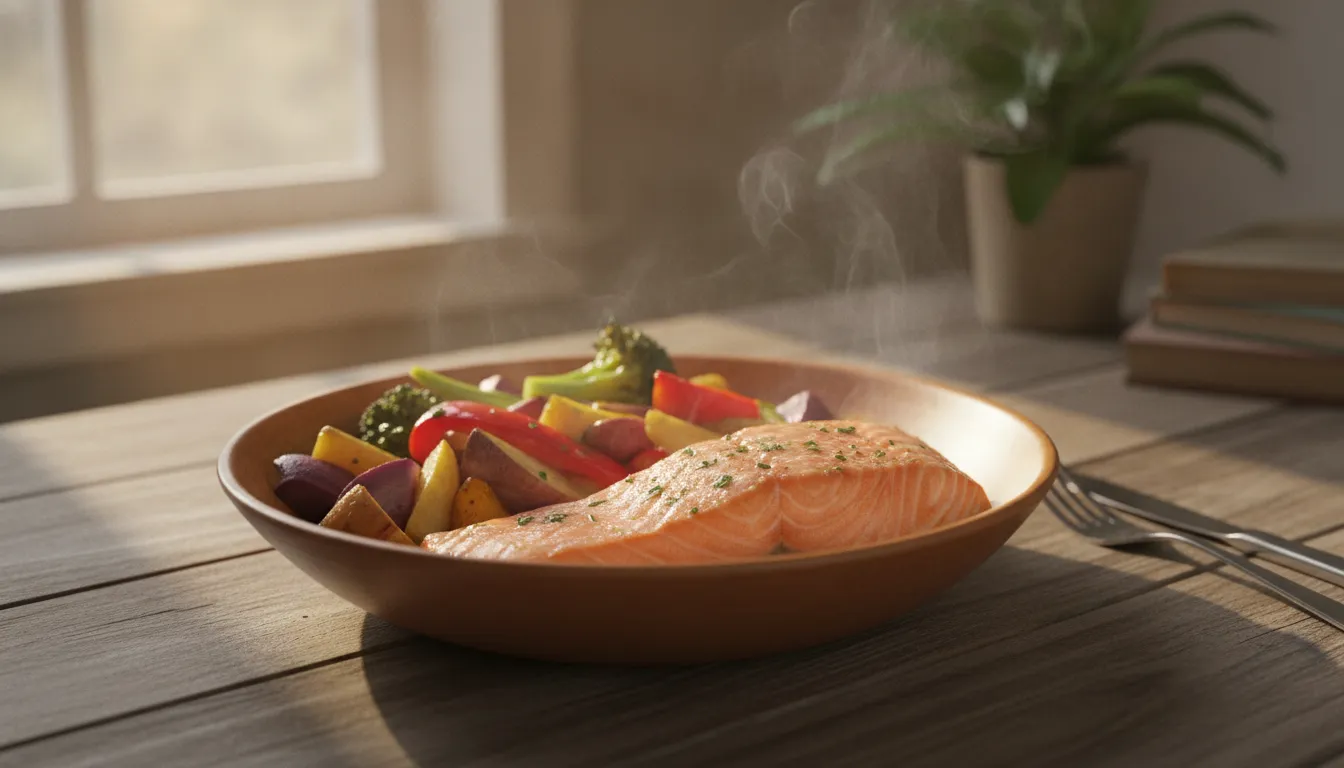
Fatty fish like salmon, mackerel, and sardines deliver omega-3 fatty acids and vitamin B12 together in one food. Omega-3s support healthy nerve cell membranes, while B12 helps maintain the myelin sheath that protects nerve fibers. Eating two to three servings per week provides the building blocks for healthy nerve signaling.
Fatty fish stand out as some of the most vital nerve health foods you can put on your plate. Types such as salmon, mackerel, and sardines are dense with the building blocks your body needs to keep a strong nervous system. These fish are unique because they offer a great mix of omega-3 fatty acids and vitamin B12.
Omega-3s and Nerve Cell Health
Omega-3 fatty acids are healthy fats that your body must get from food. These fats are a key part of the thin walls that surround every nerve cell. When you eat enough omega-3s, these walls stay soft and healthy. This allows for better signal flow between cells and supports fast nerve signal speed. These healthy fats also support a balanced way for the body to handle stress. Keeping cell stress low is a big part of keeping nerves healthy for a long time.
Vitamin B12 and the Myelin Sheath
While omega-3s help with the cell walls, vitamin B12 focuses on protection and signal speed. This vitamin is needed for the upkeep of the myelin sheath. Think of the myelin sheath as a protective sleeve that wraps around your nerves. It works like the plastic wrap on a wire to keep signals from leaking or slowing down. If this sleeve wears thin, signals may not reach their target correctly, which can lead to discomfort or poor balance.
Salmon is a very good choice because it gives you two benefits in one food. It is high in both B12 and omega-3s, which work together to support your nerves from two sides.
Tips for Adding More Fatty Fish to Your Diet
- Bake salmon with herbs for a simple weeknight dinner
- Add grilled fish to a fresh salad for lunch
- Keep canned sardines packed in olive oil for a quick snack
- Try mackerel on whole-grain crackers for an easy appetizer
Berries and Antioxidant-Rich Fruits: Protecting Nerve Tissue
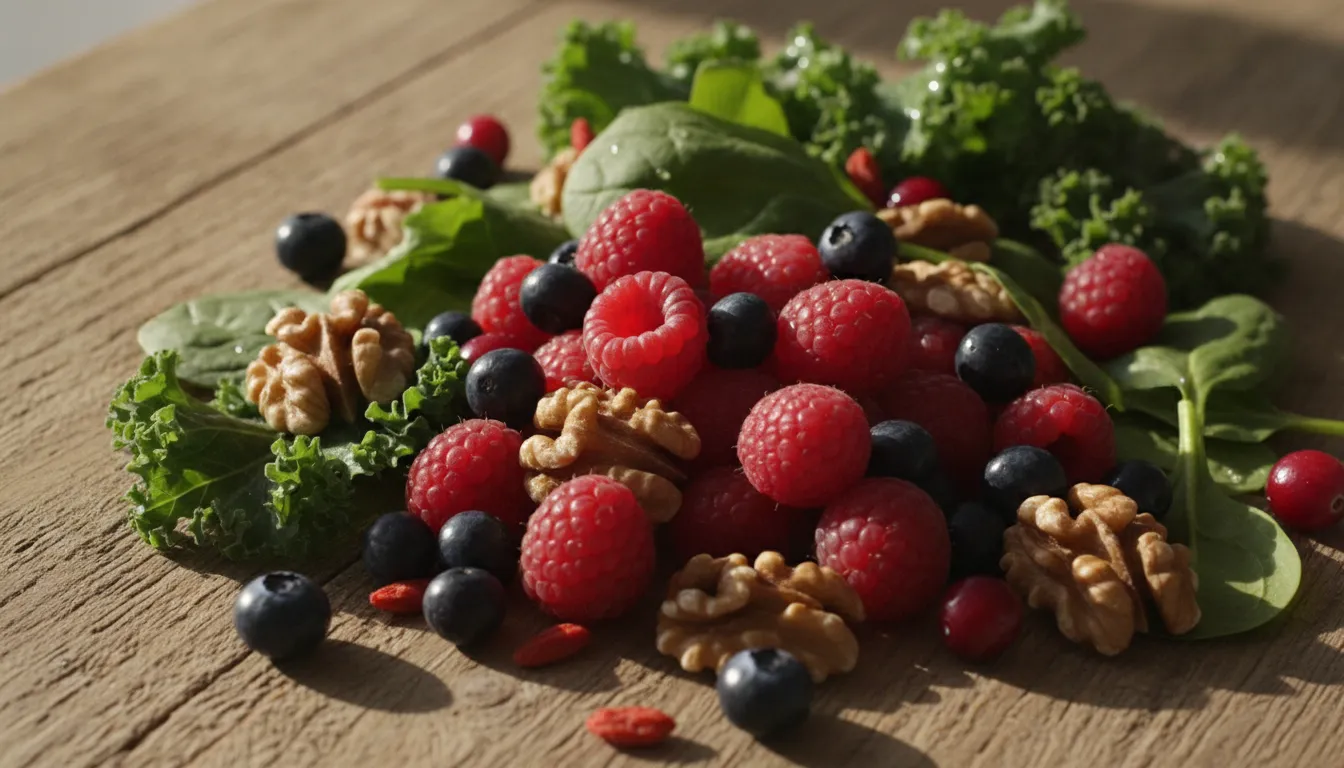
Berries like blueberries, strawberries, and raspberries contain antioxidants called anthocyanins that help protect nerve tissue from oxidative stress. Citrus fruits and red bell peppers provide vitamin C, which the body needs for maintaining healthy nerve function. These fruits support cellular defense and help maintain nerve tissue integrity over time.
Fruits like berries and citrus are more than just a sweet treat. They are key nerve health foods because they are packed with antioxidants. These compounds help your body fight off free radicals that can damage your cells. For many people, eating these fruits is a simple way to maintain the health of their nerves over time.
How Antioxidants Support Nerve Tissue
Blueberries, strawberries, and raspberries are famous for their deep colors. These colors come from natural pigments that act as strong antioxidants. These small fruits help to protect your nerve tissues from oxidative stress. When your body has too much stress at the cell level, it can lead to discomfort and slow down natural repair processes.
The Role of Vitamin C
Vitamin C is a well-known antioxidant. It does much more than just help your immune system. It also plays a big role in protecting your nerves from damage. Citrus fruits like oranges are great sources of this nutrient. One orange can give you a large part of the vitamin C you need for the day. Red bell peppers are another top source of vitamin C, often containing more of this vitamin than most citrus fruits.
Since your body cannot make its own vitamin C, you must get it from the foods you eat. Including a mix of bright fruits and peppers in your meals ensures your nerves have the support they need to signal and stay healthy.
How Do Healthy Fats From Nuts, Seeds, and Avocado Support Nerve Signaling?
Nuts, seeds, and avocado provide omega-3 ALA, vitamin E, magnesium, and potassium that support nerve cell structure, protect cell membranes, and help nerves send signals efficiently. Walnuts, flaxseeds, almonds, pumpkin seeds, chia seeds, and avocado each contribute unique nutrients for comprehensive nerve support.
Your nerves use a layer of fat to send signals fast. Eating the right fats helps keep this layer strong. Nuts, seeds, and avocados give your body the building blocks it needs for clear signal flow.
| Food | Key Nutrient | How It Supports Nerves | Easy Serving Idea |
|---|---|---|---|
| Walnuts | ALA omega-3 | Supports nerve cell structure and signaling | Handful as a snack or on oatmeal |
| Almonds | Vitamin E | Protects nerve cell membranes from stress | Slice on yogurt or eat raw |
| Pumpkin Seeds | Magnesium, Zinc | Supports neurotransmitter function | Sprinkle on salads or soups |
| Flaxseeds | ALA omega-3 | Supports nerve cell membrane health | Ground into smoothies or oats |
| Chia Seeds | Omega-3 fats | Maintains nerve integrity and flexibility | Soak in milk for pudding |
| Avocado | Healthy fats, Potassium | Supports nerve impulse transmission | Slice on toast or in salads |
Walnuts and Flaxseeds for Nerve Structure
Walnuts are a top plant source of alpha-linolenic acid (ALA), a type of omega-3 fat that helps keep your nerves in good shape. Adding a small handful of walnuts to your daily snacks can give your nerves the support they need to work well. Flaxseeds also provide ALA to help keep nerve cell walls healthy. These tiny seeds are easy to add to meals. You can grind them and mix them into oats or yogurt.
Almonds and Pumpkin Seeds for Protection
Almonds are rich in vitamin E, a nutrient that helps protect nerve cell walls from stress and damage. Eating almonds each day can help your body keep its nerve paths clear. Pumpkin seeds provide vital minerals like magnesium and zinc. These minerals help your nerves send messages to your brain and muscles. Together, these nutrients support the complex tasks your nerves do every second to keep you in motion.
Avocado and Chia Seeds for Signal Flow
Avocados are a great source of healthy fats and potassium. These nutrients help your nerves send signals with ease. Potassium is a mineral that lets your nerves reset after they fire. This makes the next signal move just as fast as the first one. Chia seeds are another great source of omega-3 fats, helping keep your nerve cells flexible and strong.
For comprehensive nerve support, many people turn to targeted nerve support formulas that provide key nutrients in concentrated forms. The Neuro-Blast System delivers 600mg of PEA and alpha lipoic acid per serving, plus an extra-strength B-complex blend. All in a dual-delivery format designed to support your body both daily and on the go.
Sweet Potatoes, Turmeric, and Colorful Produce: Phytonutrients for Nerve Protection
Colorful fruits and vegetables contain phytonutrients like beta-carotene, curcumin, and flavonoids that support nerve protection. Sweet potatoes provide beta-carotene for cellular defense. Turmeric's curcumin supports nerve comfort. Garlic and dark chocolate in moderation help promote healthy blood flow to nerve tissues.
Bright fruits and vegetables do more than look good on your plate. They carry natural compounds called phytonutrients. These compounds help your body stay strong. When you look for nerve health foods, color is a great guide. Deep orange, bright yellow, and dark purple foods often have the most support for your nerves.
Sweet Potatoes for Cellular Defense
Sweet potatoes are a top choice for supporting nerve health through diet. They are full of beta-carotene and vitamin C, two nutrients that act as strong antioxidants. These antioxidants help boost your body's defenses and are vital for protecting neural tissues from daily stress.
Turmeric and Nerve Comfort
Turmeric is the bright yellow spice found in curry. It contains curcumin, which has well-known anti-inflammatory properties. These properties help support comfort when your nerves feel irritated. Keeping inflammation low is a key goal for nerve care. When the area around a nerve is calm, the nerve can work better. Curcumin is one of the most studied plant compounds for this purpose.
Better Blood Flow With Garlic and Cocoa
Your nerves need a steady supply of blood to get the nutrients they need. Garlic is a simple food that can help. It has properties that support better blood flow, helping your body deliver oxygen and nutrients to your nerve tissues. You can easily add fresh garlic to most savory dishes for extra flavor.
Dark chocolate is another helpful treat. In small amounts, it provides flavonoids that help improve how blood moves through your body. Better circulation means your nerves stay well-fed and strong. Aim for chocolate with high cocoa content to get the best benefit without too much sugar.
Building a Daily Eating Pattern for Lasting Nerve Support
A daily eating pattern for nerve support combines B vitamins at breakfast, leafy greens at lunch. Healthy fats at every meal, fatty fish twice a week, and colorful produce throughout the day. Pairing good nutrition with a targeted supplement like Neuro-Blast's dual-delivery system can help fill nutrient gaps.
Creating a steady daily eating habit is a key step to support your nerves. A balanced diet gives your body the small and large nutrients it needs to keep nerves working well. By picking the right foods and timing your meals, you can help your body maintain nerve comfort and signals.
How to Plan Your Daily Meals
A good nerve support plan mixes helpful foods across all your meals. Here are simple steps to build a nerve-supportive eating pattern:
- Start your morning with B vitamins. Eat eggs, oats, or a spinach smoothie to give your nerve cells the energy they need for the day ahead.
- Add leafy greens to lunch. A large salad with spinach or kale provides folate that supports nerve maintenance.
- Include healthy fats at every meal. Add avocado to your lunch or olive oil to your vegetables. These fats help your nerve cells send signals efficiently.
- Eat fatty fish twice a week. Salmon, mackerel, or sardines give you both omega-3s and vitamin B12 for nerve structure and protection.
- Snack on nuts and seeds. A handful of walnuts or pumpkin seeds provides ALA omega-3, vitamin E, magnesium, and zinc for comprehensive nerve support.
- Add colorful produce to every plate. Berries, sweet potatoes, and bell peppers deliver antioxidants that protect nerve tissues from daily stress.
- Stay hydrated and limit processed foods. Water helps nutrients reach your nerves, while reducing processed foods lowers inflammation.
When Diet Is Not Enough
Even with the best diet, some people struggle to get enough targeted nutrients from food alone. Age, digestive changes, and dietary restrictions can all create gaps. This is where a specifically formulated nerve support system like Neuro-Blast can help. The complete system pairs 90 vegetarian capsules for daily cellular support with a 0.5 fl oz oral spray for on-the-go use. Compare the Subscribe and Save option and see how it fits into your daily routine.
The Neuro-Blast System was created by Dr. Sharone Stern, DPM, combining over three decades of clinical experience with AI-enhanced ingredient research. Each batch is made in the USA, lab-tested, gluten-free, non-GMO, and uses vegetarian capsules. Learn more about the mission to fund neuropathy research.
Frequently Asked Questions About Nerve Health Foods
Here are answers to common questions about how specific foods and supplements can support healthy nerve function as part of a complete wellness routine.
What is the single best food for nerve health?
No single food provides everything your nerves need, but salmon comes close. It delivers both omega-3 fatty acids for nerve cell structure and vitamin B12 for myelin sheath maintenance. Pairing fatty fish with leafy greens and colorful produce gives you the widest range of nerve-supporting nutrients.
Can diet alone reverse nerve discomfort?
A healthy diet provides essential nutrients for nerve function, but diet alone may not address all the factors that contribute to nerve discomfort. A comprehensive approach includes proper nutrition, targeted supplementation, regular movement, and managing underlying health conditions with your healthcare provider.
How long does it take for dietary changes to support nerve health?
Most people need consistent dietary changes over several weeks to months before noticing improvements in nerve comfort and function. The body needs time to repair and maintain nerve tissues, and steady nutrient intake is key to this process. The Neuro-Blast System is designed for daily use over a 30-day period to allow ingredients to reach therapeutic saturation.
Are there foods that can worsen nerve health?
Yes. Highly processed foods, excessive sugar, refined carbohydrates, and trans fats can increase inflammation in the body and may negatively affect nerve function. Reducing these foods while increasing whole foods, healthy fats, and antioxidant-rich produce creates a more supportive environment for your nerves.
What is PEA and how does it support nerve health?
PEA (palmitoylethanolamide) is a naturally occurring fatty acid amide that supports the body's response to nerve discomfort. Neuro-Blast includes 600mg of PEA in each serving of its capsule formula. PEA is not commonly found in competing nerve supplements, making it a unique part of the Neuro-Blast System. See the full ingredient breakdown.
Should I take nerve supplements with food?
Yes. The Neuro-Blast capsules should be taken with food to support proper absorption. The oral spray can be used as needed throughout the day for on-the-go support. The dual-delivery system is designed so that the capsules provide foundational daily support while the spray offers fast-absorbing nutrients when you need them most.
Ready to Support Your Nerve Health and Get Moving Again?
Good nutrition is the foundation of nerve health, but sometimes your body needs more targeted support. The Neuro-Blast System delivers a doctor-created, dual-action approach with 90 daily capsules and a fast-absorbing oral spray. With the Subscribe and Save option, you save 12% and get free shipping, with the flexibility to pause, skip, or cancel anytime.
Subscribe to Neuro-Blast today and start your journey back to mobility
These statements have not been evaluated by the Food and Drug Administration. This product is not intended to diagnose, treat, cure or prevent any disease.
