

Tingling, burning, numbness, or weakness can make walking, sleeping, and everyday activities feel less predictable. If these changes persist, spread, worsen, or interfere with your routine, a qualified healthcare professional can help you understand what may be happening and what to do next.
Support healthy nerve function and keep moving.
Neuropathy at a Glance
Neuropathy is a broad term for nerve damage or dysfunction. Peripheral neuropathy involves nerves outside the brain and spinal cord. It may affect sensation, movement, or automatic body functions, and possible causes vary widely. Symptoms alone cannot confirm a diagnosis, so persistent or changing concerns should be discussed with a qualified healthcare professional.
The peripheral nervous system connects the brain and spinal cord with the rest of the body. Some nerves carry information inward, including touch, temperature, pressure, and pain. Other nerves guide muscle movement or help regulate functions that happen without conscious effort.
Because different nerve types serve different roles, two people can use the word neuropathy while describing very different experiences. One person may notice reduced feeling in the feet. Another may report burning in the hands, weakness, balance changes, or digestive symptoms. These descriptions are useful information, but they are not a substitute for an evaluation.
Mayo Clinic explains that peripheral neuropathy develops when peripheral nerves are damaged. Understanding the basic nerve roles can help you describe your symptoms more clearly.
Sensory nerves
Sensory nerves help the brain recognize touch, pressure, vibration, temperature, and pain. When their signaling changes, you may notice numbness, prickling, pins and needles, burning, stabbing sensations, or unusual sensitivity to light touch. Some people describe the feeling as wearing gloves or socks even when their skin is uncovered.
Motor nerves
Motor nerves help direct muscle movement. Changes in motor nerve function may be associated with weakness, reduced coordination, or difficulty with daily movement. You may notice this while climbing stairs, gripping a cup, standing from a chair, or walking. The meaning of any one symptom depends on your overall health history.
Autonomic nerves
Autonomic nerves help regulate processes that generally occur without conscious effort. These include sweating, heart rate, blood pressure, digestion, and bladder function. New or persistent changes in these areas should be brought to a healthcare professional, especially if they occur with dizziness, weakness, or another concerning symptom.
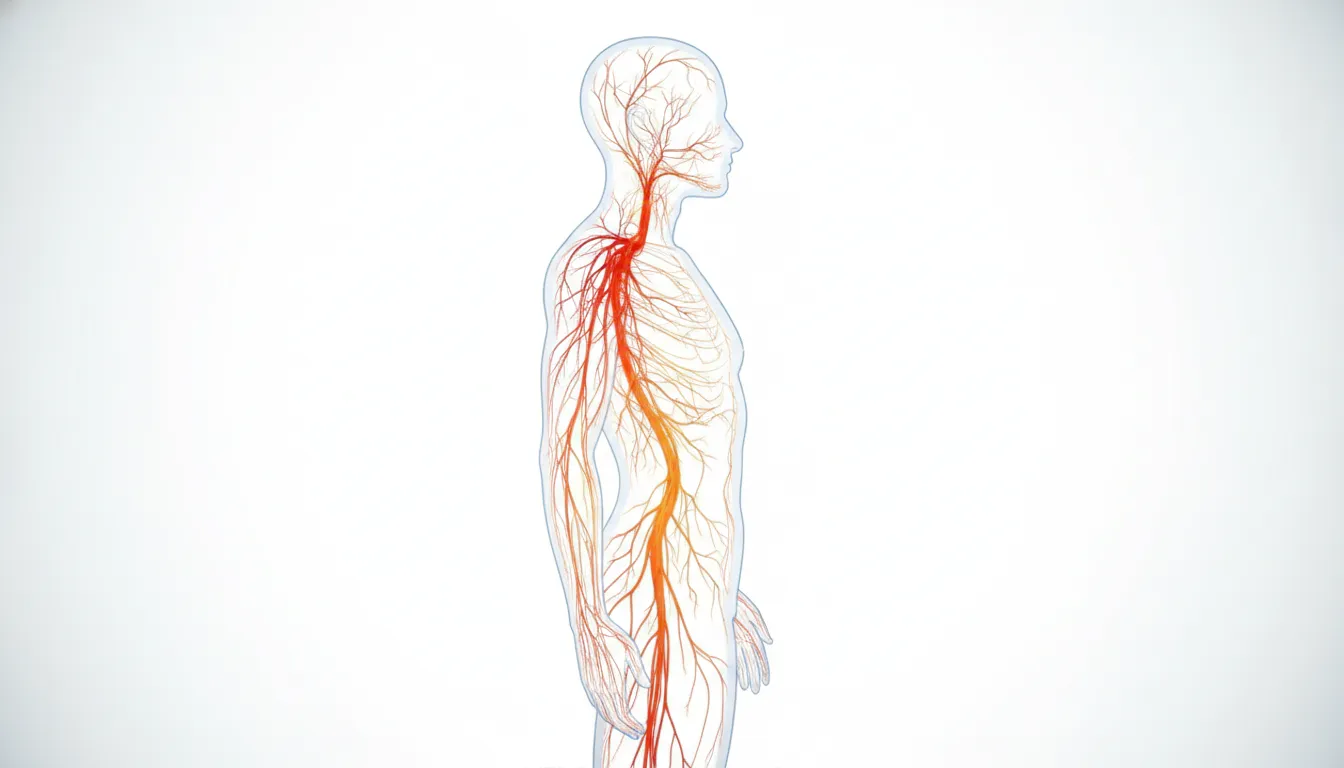
Which Symptoms Can Neuropathy Cause?
Common neuropathy symptoms may include numbness, tingling, burning, stabbing or electric-like discomfort, unusual sensitivity, weakness, clumsiness, balance changes, and changes in automatic body functions. Symptoms may occur on one side, on both sides, or in a particular area. A pattern can provide useful context, but it cannot identify the cause by itself.
Neuropathy symptoms can develop gradually or become noticeable over a shorter period. The feet and hands are common locations for peripheral symptoms, but the pattern is not identical for everyone. Some people notice changes at night, during movement, or when clothing or bedding touches the skin.
- Numbness or reduced awareness of touch, temperature, or pressure.
- Tingling, prickling, or a pins-and-needles sensation.
- Burning, stabbing, aching, or electric-like discomfort.
- Increased sensitivity to light touch, clothing, or bedding.
- Weakness, clumsiness, or difficulty controlling movement.
- Balance changes or uncertainty on stairs and uneven ground.
- Changes in sweating, digestion, bladder function, or blood pressure regulation.
These symptoms can affect more than comfort. Reduced sensation may make it harder to notice a hot surface, a small foot irritation, or an object in your path. Weakness or balance changes may make you avoid errands, exercise, cooking, gardening, travel, or time with family. Describing that effect can help a healthcare professional understand why an evaluation matters.
Notice the pattern, not only the sensation
When symptoms occur, record where they start, whether they are constant or intermittent, and what they feel like. Note whether they affect one or both sides, change at night, or become more noticeable after a particular activity. Also record changes in walking, sleep, strength, balance, or daily tasks.
A symptom log does not diagnose neuropathy. It gives you an organized way to communicate with a professional and notice whether a concern is stable, recurring, spreading, or worsening. Sudden weakness, sudden loss of sensation, serious balance problems, or another urgent change should not wait for a routine appointment.
What Causes Neuropathy?
Neuropathy has no single cause. Diabetes is one possible contributor, but a healthcare professional may also review injuries, infections, inherited factors, medication history, nutritional concerns, alcohol use, exposures, and other health conditions. The same symptom can have different explanations in different people.
Mayo Clinic lists diabetes, traumatic injuries, infections, metabolic conditions, autoimmune disease, inherited causes, and toxin exposure among possible causes. That range is one reason an online checklist cannot replace a personal evaluation.
Health conditions and metabolic factors
When diabetes is part of a person's health history, a clinician may review blood sugar management and other factors that influence nerve health. Other metabolic or autoimmune conditions may also be relevant. This does not mean every person with tingling has diabetic neuropathy or another specific condition. It means the broader context helps determine which questions and tests may be appropriate.
Medication, nutrition, and exposure history
Medications, alcohol use, nutrition, and exposure to certain substances may be part of a professional review. Both deficiency and excess can matter for some nutrients, and supplements can interact with medicines or be inappropriate for certain health conditions. Avoid assuming that a vitamin product is the right response to a persistent symptom. Share your prescriptions, over-the-counter products, and supplements with your healthcare professional.
Inherited, infectious, or injury-related causes
Family history, recent illness, an injury, or repeated pressure on a nerve can provide important context. Infections and immune-related conditions may also be considered when the symptom pattern supports it. The goal of an evaluation is to move from a general symptom description toward a better-informed discussion of possible causes and next steps.
When Should You Seek Medical Evaluation?
Arrange a medical evaluation when numbness, tingling, burning, pain, weakness, unusual sensitivity, or balance changes persist, recur, spread, worsen, or interfere with sleep and daily activities. Seek prompt guidance for sudden or rapidly changing symptoms, new weakness, repeated falls, severe pain, or major changes in coordination or walking.
It is also reasonable to seek guidance when a symptom is new and you are unsure how to interpret it. Early attention can help a professional decide what information is needed and whether further evaluation is appropriate. Changes involving dizziness, fainting, sweating, digestion, or bladder function also deserve attention.
How an appointment may begin
A healthcare professional may ask when the symptoms began, how they feel, where they occur, and whether they are changing. They may also ask about medical conditions, family history, recent illness or injury, medications, supplements, alcohol use, and possible exposures. A physical examination may include checking sensation, strength, coordination, reflexes, balance, and walking.
Depending on the situation, the professional may recommend additional testing or a referral. The exact evaluation varies because neuropathy is a broad term with many possible causes. Do not assume that a test or treatment plan is appropriate for you simply because it helped someone else.
Prepare a useful symptom record
- Write down the first date you noticed the change.
- Describe the sensation in everyday words, such as numbness, burning, or pins and needles.
- Record the location and whether one or both sides are involved.
- Note changes in walking, balance, strength, sleep, or routine activities.
- Bring a current list of medicines, supplements, and relevant health conditions.
This preparation can make the conversation more focused without turning your notes into a self-diagnosis. The professional who knows your health history is the right person to interpret the pattern.
How Can Daily Habits Support Healthy Nerve Function?
Daily support can include comfortable movement, safer surroundings, consistent sleep, balanced nutrition, and symptom tracking. These habits should complement medical care rather than replace it. Choose practical steps that fit your current abilities, and ask for professional guidance when symptoms are new, worsening, or affecting balance or function.
| Focus | Practical approach | Safety reminder |
|---|---|---|
| Movement | Choose gentle, consistent activity that fits your comfort and current mobility. | Stop and seek guidance for new weakness, dizziness, worsening pain, or balance concerns. |
| Foot and home safety | Use clear walkways, good lighting, supportive footwear, and handrails where available. | Reduced sensation can make small hazards harder to notice. |
| Sleep and recovery | Keep a regular sleep schedule and build in comfortable periods of rest. | Discuss persistent nighttime symptoms with a healthcare professional. |
| Nutrition review | Bring your diet, medications, and supplements to a healthcare conversation. | Do not add or increase supplements based only on an online symptom list. |
| Symptom tracking | Record timing, location, sensation, activity, sleep, and changes in function. | Share the record if symptoms persist, spread, or worsen. |
For a lower-impact movement idea, review these water exercises for healthy nerve mobility. If nutrition is part of your conversation, explore this guide to foods and nerve health support. Use any activity or nutrition suggestion only if it fits your circumstances and professional guidance.

Where Can a Nerve Health Supplement Fit?
A nerve health supplement may be one optional part of a broader routine that includes medical guidance, comfortable movement, balanced nutrition, sleep, home safety, and symptom tracking. It is not a replacement for diagnosis, treatment, or individualized medical advice.
Neuro-Blast is a doctor-created nerve health support system that combines daily capsules with an oral spray for on-the-go support. The current product page describes the complete system as 60 vegetarian capsules and a 0.5 fl oz oral spray. This dual-delivery format is designed to make daily support and portable support easy to organize.
Set realistic expectations
Neuro-Blast is positioned to support healthy nerve function, cellular energy production, healthy circulation, normal nerve signaling, and joint comfort and mobility. These are structure/function goals. The product does not diagnose, treat, cure, or prevent neuropathy or any other disease, and it should not delay appropriate medical care.
If you are pregnant, nursing, taking medication, managing a medical condition, or unsure whether a supplement is appropriate for you, speak with a qualified healthcare professional before use. Review the current product information and follow the labeled directions. The current product page presents Subscribe & Save at 10% off with free shipping and the option to skip or cancel anytime.
These statements have not been evaluated by the Food and Drug Administration. This product is not intended to diagnose, treat, cure or prevent any disease.
Ready to support your daily nerve comfort? Get Moving, Again with Neuro-Blast.
Frequently Asked Questions
What is neuropathy?
Neuropathy is a broad term for nerve damage or dysfunction. Peripheral neuropathy involves nerves outside the brain and spinal cord. It may affect sensation, movement, or automatic body functions. Because possible causes vary, symptoms should be discussed with a qualified healthcare professional rather than used to make a self-diagnosis.
What are common neuropathy symptoms?
Common symptoms may include numbness, tingling, burning, stabbing discomfort, unusual sensitivity, weakness, balance changes, and certain changes in automatic body functions. Many other conditions can cause similar sensations, so persistent, worsening, sudden, or function-limiting symptoms deserve medical attention.
What can cause neuropathy?
Possible causes include diabetes, injury, infection, metabolic or autoimmune conditions, inherited factors, nutritional concerns, medication history, alcohol use, and exposure to toxins. The relevant causes depend on the individual. A healthcare professional can review your history and determine what evaluation may be appropriate.
When should I talk with a healthcare professional?
Arrange an evaluation when symptoms persist, recur, spread, worsen, or interfere with sleep, walking, balance, or daily tasks. Seek prompt guidance for sudden or rapidly changing symptoms, new weakness, repeated falls, severe pain, or major coordination changes. Dizziness, fainting, sweating changes, or bowel and bladder changes should also be discussed.
