

Digestive health affects more than comfort after a meal. Your digestive system is in constant communication with your nervous system, helping coordinate signals, immune activity, and the availability of nutrients your nerves need to function normally.
Discover how supporting your gut can help maintain healthy nerve function. Keep reading to understand the gut-brain connection and how it affects your comfort and mobility.
Key point: The connection between gut health nerve health starts with the gut-brain axis, a two-way communication network linking the brain with the enteric nervous system in the digestive tract. Research shows that gut microbes can influence this network through metabolic and neurochemical pathways, including molecules such as GABA, serotonin, and melatonin (reviewed in the scientific literature).
This does not mean digestive support replaces medical care, or that one food can resolve every nerve concern. It does mean that inflammation, microbiome balance, and nutrient absorption are worth considering as part of a broader approach to supporting healthy nerve function. To understand why, begin with the communication system connecting your gut and nerves.
Gut Health Nerve Health: The Gut-Brain Axis: How Your Digestive System Communicates With Your Nerves
Key point: Your digestive system and nervous system are in constant communication through the gut-brain axis. This two-way network connects brain centers with intestinal functions.
This relationship is known as the gut-brain axis, a two-way network that connects the brain's emotional and cognitive centers with intestinal functions such as digestion, movement, and sensation. Signals travel in both directions, so changes in the gut can influence the nervous system, while stress and other brain signals can affect how the digestive system works.
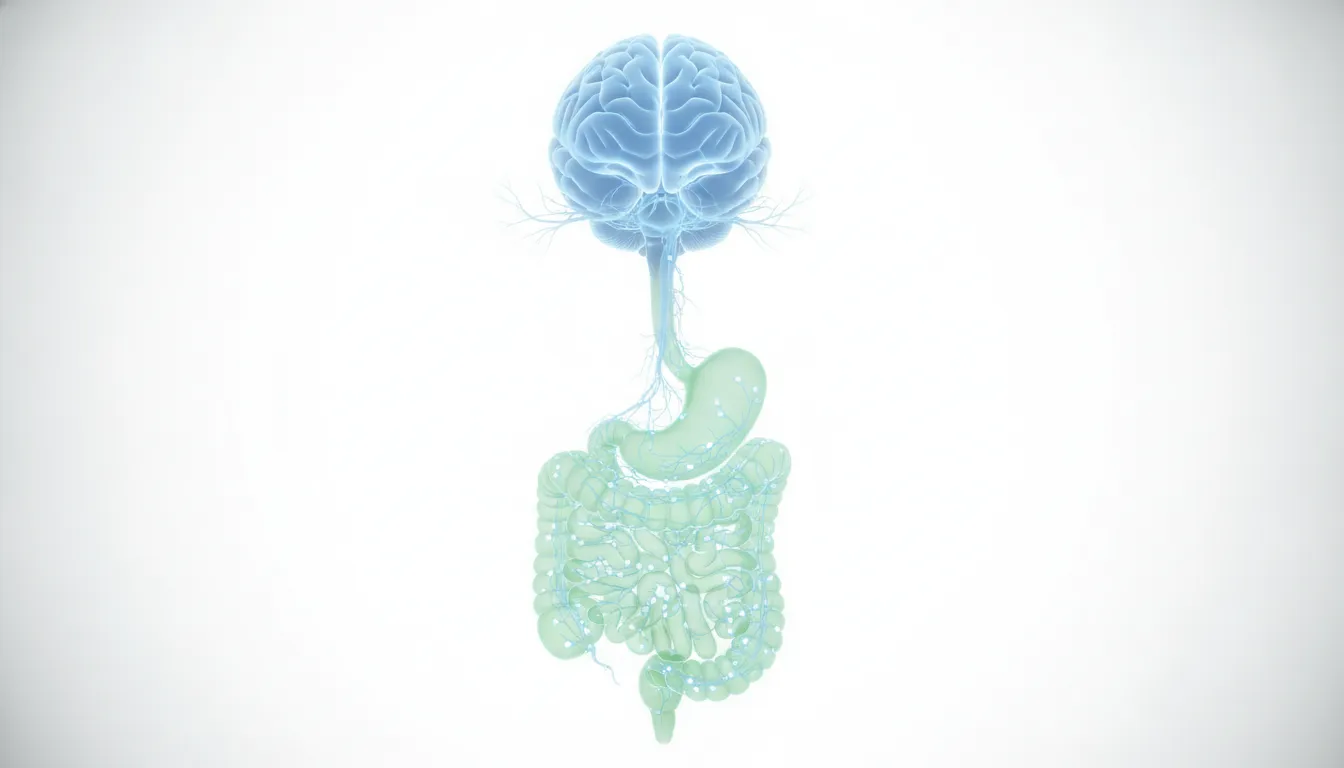
Your gut has its own nervous system
A major part of this network is the enteric nervous system, or ENS. It is sometimes called the gut's second brain, although it does not think or reason like the brain in your head. Instead, it helps coordinate digestive activity along the gastrointestinal tract. Johns Hopkins Medicine reports that the ENS contains more than 100 million nerve cells lining the GI tract from the esophagus to the rectum. That extensive network helps explain why digestive changes can feel closely connected to sensations elsewhere in the body.
The vagus nerve carries important signals
The vagus nerve is the primary physical pathway linking the brain and digestive tract. It carries information in both directions, helping the brain monitor activity in the gut and helping the gut respond to signals from the brain. This communication can involve:
- Digestion and nutrient processing
- Appetite regulation
- Stress response modulation
- How the body interprets internal sensations
It does not mean that every digestive symptom reflects a nerve problem. But it does show why the gut and nervous system should not be viewed as completely separate systems.
Where gut microbes fit in
The gut-brain axis also includes the trillions of microorganisms that live in the digestive tract. Research indicates that gut microbiota can interact with intestinal cells and the ENS, while also influencing the central nervous system through neuroendocrine and metabolic pathways. In practical terms, the gut environment can affect the chemical signals and local activity that help nerves communicate. These findings support a broader view of gut health and nerve health, while researchers continue to study the precise effects of specific microbes.
Supporting normal digestion, balanced nutrition, and healthy daily habits can be part of an overall approach to wellness. It cannot diagnose, treat, cure, or prevent any disease, and individual symptoms deserve discussion with a qualified healthcare professional.
These statements have not been evaluated by the Food and Drug Administration. This product is not intended to diagnose, treat, cure or prevent any disease.
How Your Gut Microbiome Directly Affects Nerve Function
Key point: The community of bacteria in your intestines produces chemical signals that influence the enteric nervous system. This connection makes gut health and nerve health closely linked at the cellular level.
Your gut microbiome is more than a digestive system partner. The community of bacteria living in your intestines produces and modifies chemical signals that influence the enteric nervous system, the network of nerves regulating the gastrointestinal tract. Those local signals also participate in the broader, two-way communication between the gut and the nervous system.
One reason this connection matters is serotonin. About 90% of the body's serotonin is produced in the gut, rather than the brain, according to Calgary Neuropathy. Serotonin has many roles throughout the body, including helping regulate gut movement and communication between intestinal cells and nerves. This does not mean that changing gut bacteria automatically changes how a person feels. It does show why gut health and nerve health are closely connected biological topics.
Research published in the journal Neurogastroenterology and Motility describes several ways microbiota can influence enteric nerve activity. Gut bacteria can produce molecules that act as local neurotransmitters, including:
- Gamma-aminobutyric acid (GABA)
- Serotonin
- Melatonin
- Histamine
- Acetylcholine
These compounds can affect how nearby intestinal cells and nerve pathways communicate.
Local signals can influence sensory nerve activity
The microbiome also interacts with sensory nerves that carry information from the digestive tract. The same review reports that certain bacteria can affect the excitability of afferent sensory nerves, which may influence gut motility and pain perception. The finding is specific to studied bacterial interactions, not a promise that any probiotic or food will produce the same result. It does, however, help explain why digestive changes can sometimes be accompanied by changes in comfort or sensitivity.
What this means for peripheral nerve support
Healthy nerve function depends on coordinated signaling, adequate cellular support, and balanced communication throughout the body. A disrupted microbiome may alter the chemical environment that nerves encounter, while digestive problems can make it harder to absorb nutrients needed for normal nerve activity. Supporting a balanced gut through varied, fiber-rich foods, adequate hydration. And personalized medical guidance can therefore be one part of a broader approach to supporting nerve comfort and mobility.
Gut-focused strategies are supportive, not a diagnosis or treatment for a nerve condition. These statements have not been evaluated by the Food and Drug Administration. This product is not intended to diagnose, treat, cure or prevent any disease.
The Inflammation Connection Between Gut Health and Nerve Comfort
Key point: An imbalanced gut microbiome may contribute to systemic inflammation that can affect peripheral nerves and their normal function.
Your digestive system does more than process food. It also helps regulate immune activity and communicates continuously with the nervous system. When the balance of microorganisms in the gut shifts, a condition often called dysbiosis, the resulting changes may contribute to systemic inflammation. That inflammatory environment is associated with symptoms involving peripheral nerves, including altered sensation and discomfort.
How gut imbalance may influence peripheral nerves
A healthy gut microbiome supports a complex ecosystem of bacteria and other microorganisms. Dysbiosis can change the substances produced in the digestive tract and the way the intestinal lining interacts with the immune system. Research has linked gut dysbiosis with systemic inflammation that can affect peripheral nerves, although this connection does not mean that every digestive problem causes nerve symptoms.
The relationship is part of the broader gut-brain axis, a two-way communication network linking the digestive tract and nervous system. Gut microbes can interact with intestinal nerve cells and influence nervous-system signaling through metabolic and neuroendocrine pathways. In practical terms, gut health and nerve health are connected, but the science is still developing and should not be used to diagnose or treat a medical condition.
Functional bowel problems are common. Johns Hopkins Medicine estimates that roughly 30% to 40% of people experience them at some point. That prevalence makes digestive symptoms worth discussing with a qualified healthcare professional, particularly when they occur alongside persistent numbness, tingling, burning, weakness, or changes in mobility.
Gut bacteria can affect sensory signaling
Gut microbiota may also influence how sensory nerves respond to signals. A research review describes Lactobacillus reuteri as an example of a bacterium that can alter afferent sensory nerve excitability by affecting calcium-dependent potassium channels. This activity was associated with changes in gut motility and pain perception in the research context. It does not establish that taking a particular probiotic will produce the same effect in people.
For that reason, a sensible goal is to support the conditions that help both systems function well. Here are some practical strategies.
- A varied, fiber-rich eating pattern with plenty of vegetables and whole grains.
- Adequate hydration throughout the day.
- Regular movement and physical activity.
- Appropriate medical guidance when symptoms persist.
A well-designed nerve support routine may also support nerve comfort, but supplements should complement, not replace, professional care.
Source: Gut microbiota and the gut-brain axis. These statements have not been evaluated by the Food and Drug Administration. This product is not intended to diagnose, treat, cure or prevent any disease.
Why Nutrient Absorption in Your Gut Matters for Nerve Health
Key point: Nerves can only benefit from the nutrients in your diet if your digestive system breaks them down and absorbs them effectively. Which is why gut health nerve health are linked through nutrition.
Your diet can contain important nutrients, but your nerves can only benefit from them if your digestive system breaks them down and absorbs them effectively. This is one reason gut health and nerve health are closely connected. Ongoing digestive problems or poor nutrient absorption may limit the building blocks nerves use for signaling, maintenance, and cellular energy production.

B vitamins help support nerve signaling and cellular energy
B vitamins are especially important to nerve function. Vitamin B12, for example, supports normal nervous system function and helps the body make healthy red blood cells. Other B vitamins participate in energy metabolism, the process that helps cells turn food into usable energy. When absorption is impaired, the body may not receive an adequate supply even when a person is eating a varied diet.
This does not mean every digestive symptom points to a nutrient deficiency. It does mean persistent changes in digestion deserve attention, particularly when they occur alongside numbness, tingling, weakness, or changes in mobility. A qualified healthcare professional can help determine whether testing or dietary guidance is appropriate.
Magnesium and omega-3s support the nerve environment
Key nutrients that support the nerve environment include the following.
- Magnesium , supports normal nerve signaling, muscle function, and energy production
- Omega-3 fatty acids , help maintain healthy cell membranes and support a balanced inflammatory response.
- B-complex vitamins , support energy metabolism and normal nervous system function
Together, these nutrients help create an environment that supports healthy nerve function. Their value depends on more than simply including them in meals. Digestion, absorption, and overall dietary pattern all influence how much the body can use.
For a closer look at one mineral involved in nerve signaling and comfort, read our guide to nutrients for nerve support. If you have a diagnosed digestive condition, take medication, or are considering a supplement, ask your healthcare professional about appropriate forms and amounts.
Neuro-Blast is designed around cellular nerve support, helping provide targeted nutritional support through a daily capsule and an oral spray for on-the-go use. It is a supportive approach, not a substitute for evaluating persistent digestive or nerve-related concerns. These statements have not been evaluated by the Food and Drug Administration. This product is not intended to diagnose, treat, cure or prevent any disease.
Supporting Your Gut and Nerve Health Through Diet and Lifestyle
Key point: Daily food choices centered on minimally processed ingredients can support your digestive environment. This helps your body absorb nutrients and maintain healthy nerve function.
Your daily food choices can support the digestive environment that helps your body absorb nutrients and maintain healthy nerve function. A practical approach is to build meals around minimally processed foods, add variety gradually, and notice how your body responds. The goal is consistent support, not a restrictive or perfect diet.
| Food Category | Gut Health Benefit | Nerve Health Benefit |
|---|---|---|
| Probiotic and fermented foods, such as plain yogurt, kefir, sauerkraut, and kimchi | Introduce beneficial microorganisms and add variety to the diet. Choose lower-sugar options when possible. | Support a balanced gut environment that may help maintain healthy communication between the digestive and nervous systems. |
| Fiber-rich vegetables, including leafy greens, broccoli, carrots, and squash | Provide fiber that supports regular digestion and nourishes helpful gut microbes. | Supply vitamins, minerals, and antioxidants that support cellular energy production and healthy nerve function. |
| Omega-3-rich fatty fish, such as salmon, sardines, and trout | Offer a nutrient-dense protein choice that fits an overall whole-food eating pattern. | Provide omega-3 fatty acids that support a healthy inflammatory response and normal nerve signaling. |
| Anti-inflammatory whole foods, including berries, beans, olive oil, nuts, and whole grains | Increase fiber and plant-based nutrients while helping reduce reliance on heavily processed foods. | Support healthy circulation, cellular protection, and nerve comfort as part of a balanced eating pattern. |
Practical tips for gradual change
Making lasting changes to support gut health nerve health does not require an overnight overhaul. Here are some practical steps:
- If your current diet is low in fiber, increase vegetables, beans, and whole grains slowly while drinking enough fluids. A sudden increase may cause temporary digestive discomfort.
- Choose fermented foods that agree with your system. If they do not work for you, do not force them. You can support dietary variety through vegetables, legumes, fruits, nuts, and seeds instead.
- People with persistent digestive symptoms, food allergies, or medically restricted diets should discuss changes with a qualified healthcare professional before making significant adjustments.
For more practical guidance, review these dietary choices for nerve health and explore specific nerve health foods.
Ready to add targeted nerve support to your daily routine? Even a thoughtful diet may not consistently provide every nutrient your nervous system needs. Targeted nerve support, such as the Neuro-Blast system. Can help fill nutritional gaps with daily capsules and an oral spray designed to support nerve comfort and healthy nerve function. Use supplements as part of a broader plan that includes balanced meals, movement, sleep, and appropriate medical guidance.
These statements have not been evaluated by the Food and Drug Administration. This product is not intended to diagnose, treat, cure or prevent any disease.
Frequently Asked Questions
How does gut health affect nerve health?
The gut-brain axis creates two-way communication between the digestive system and nervous system. Gut microbes can interact with intestinal nerve cells and influence neuroendocrine and metabolic signaling. They may also produce compounds such as GABA, serotonin, and melatonin that affect nerve activity. This connection means digestive health is one factor to consider when supporting healthy nerve function, although it does not explain every nerve symptom. A peer-reviewed review of the gut-brain axis describes these pathways.
Can poor gut health cause nerve damage?
Poor gut health should not be assumed to cause nerve damage. Digestive disorders, microbiome changes, inflammation, medication use, and nutrient-absorption problems may affect nerve signaling, but the underlying reason for numbness, burning, weakness, or persistent discomfort requires professional evaluation. Seek medical advice for new, worsening, or unexplained symptoms rather than trying to self-diagnose through diet alone.
What foods support both gut health and nerve health?
Build meals around fiber-rich vegetables, beans, fruit, whole grains, nuts, seeds, and other minimally processed foods. Include adequate protein and nutrient-dense foods that provide B vitamins and magnesium. If certain foods worsen digestive symptoms, keep a simple food and symptom record and discuss it with a qualified healthcare professional. Gradual changes and adequate hydration are usually more practical than a restrictive diet.
Can probiotics support nerve comfort?
Probiotics may help some aspects of digestive health, but results depend on the strain, dose, product quality, and individual response. Evidence is not strong enough to promise that a probiotic will relieve nerve discomfort or address its underlying cause. Ask a healthcare professional before using one, especially if you have a weakened immune system, a serious medical condition, or take several medications. Supplements should support, not replace, appropriate medical care.
Ready to Get Started With Neuro-Blast?
If you want a simple way to support your nerve health while building consistent daily habits, Neuro-Blast offers a dual-delivery approach with capsules and an oral spray.
Get started with Neuro-Blast and explore the system at the Neuro-Blast system. Choose the routine that fits your day, and take your next step toward feeling supported as you keep moving forward.
These statements have not been evaluated by the Food and Drug Administration. This product is not intended to diagnose, treat, cure or prevent any disease.
