

When burning, tingling, or sensitivity makes everyday movement harder, it is natural to look for gentle ways to support nerve comfort. Essential oils are often discussed alongside massage, relaxation, and other complementary approaches, but interest should be balanced with realistic expectations and careful use. Neuropathic pain affects almost 10% of people in the United States, according to a review in Pain Reports (PMC).
Explore the Neuro-Blast nerve health support system for a doctor-formulated approach to daily nerve comfort.
Research on essential oils for nerve pain relief is still limited and does not establish that any oil treats nerve disease. Some small studies suggest aromatherapy or massage may support perceived comfort, while results vary by oil, method, and person. Topical oils should be diluted in a carrier oil and patch-tested before broader use.
The most useful next step is to separate promising observations from proven conclusions. Then consider how popular oils such as lavender, peppermint, frankincense, helichrysum, and chamomile have been studied. For a broader look at natural options, see our guide to natural nerve pain relief approaches.
What Does the Research Say About Essential Oils for Nerve Comfort?
Research on essential oils for nerve comfort is encouraging but still preliminary. The strongest findings come from small studies combining aromatherapy with massage. They suggest that scent, touch, and relaxation may influence how people experience discomfort, but they do not establish essential oils as a replacement for medical evaluation or an individualized care plan.
Early studies show potential benefits
One Turkish study included 46 people with diabetes-related neuropathy. Participants who received aromatherapy massage reported a 66% decrease in neuropathy-related pain, compared with a 9% decrease among people who received medical care without massage. In a separate foot-massage study involving 60 people with neuropathy, 93% reported less pain 30 minutes afterward. These results are notable, although the short follow-up period makes it difficult to know how long the effect lasted.
A 2019 study also found that aromatherapy massage helped ease chemotherapy-related neuropathy pain and fatigue in 46 people. Because the study focused on a specific treatment-related condition and included a relatively small group, its findings should be viewed as a starting point rather than proof of a universal effect. The published summary of these early studies is available through WebMD's overview of essential oils and neuropathy research.
More recent studies examine lavender and peppermint
Research has continued in narrower settings. A 2021 study reported that lavender aromatherapy may reduce perceived pain after a spine procedure, suggesting that calming sensory input could affect short-term pain perception. A 2024 randomized controlled trial examined massage with lavender and peppermint oils diluted in an almond-oil carrier during migraine attacks. The combination was associated with lower pain intensity in that study. Read the 2021 lavender study and the 2024 lavender and peppermint trial for the full research context.
These studies are promising, yet they do not answer every practical question. Researchers still need larger trials, longer follow-up, consistent oil formulations, and clearer comparisons with other approaches. If you use aromatherapy, consider it a complementary way to support comfort and relaxation, not a diagnosis or treatment for a disease. Discuss persistent, worsening, or unexplained symptoms with a qualified healthcare professional. For dietary supplements, remember: These statements have not been evaluated by the Food and Drug Administration. This product is not intended to diagnose, treat, cure or prevent any disease.
Which Essential Oils Are Best for Nerve Pain Relief?
Essential oils are concentrated plant extracts often used in aromatherapy or diluted topical applications. They may support nerve comfort through sensory, calming, or anti-inflammatory effects, but research does not establish them as treatments or cures for neuropathy or other medical conditions. Individual responses also vary, so consider these oils as complementary options rather than replacements for guidance from a qualified healthcare professional.
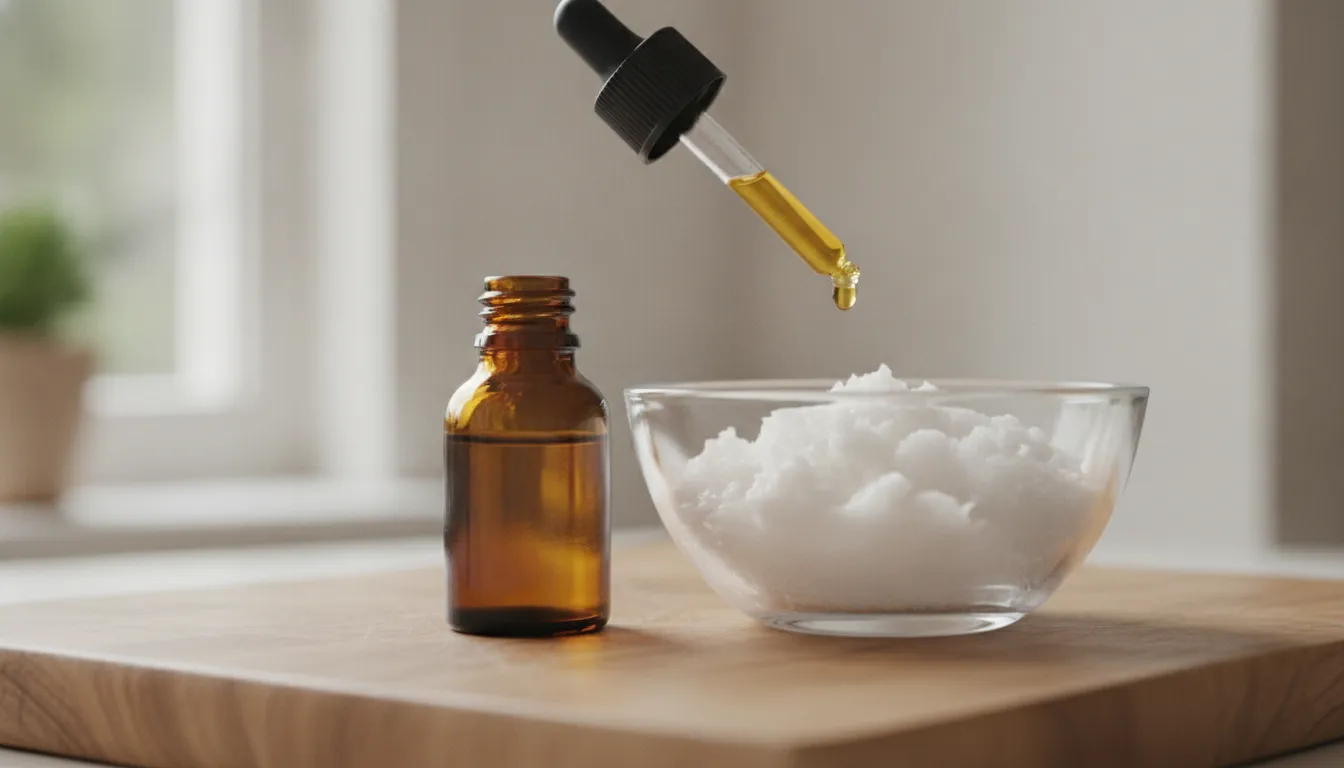
Lavender
Lavender is one of the most widely studied oils for relaxation and comfort. Its potential anti-inflammatory and pain-relieving properties make it a common choice for people exploring gentle support for sore or sensitive areas. A 2021 study found that lavender aromatherapy may reduce perceived pain after a spine procedure, although that finding does not prove it will produce the same result for nerve discomfort. Inhaled lavender may also influence pain perception through its calming aroma. You can review the study details in PubMed.
Peppermint
Peppermint oil contains menthol, which creates a noticeable cooling sensation on the skin. That sensory effect may temporarily soothe the feeling of discomfort for some people. Peppermint is often included in massage blends, but it should be diluted before topical use and kept away from the eyes and other sensitive areas. A 2024 randomized controlled trial examined lavender and peppermint oil combined with an almond oil carrier during massage for migraine pain. The trial is available through PubMed.
Frankincense
Frankincense is traditionally used for its soothing aroma and potential anti-inflammatory properties. It may support a comfortable sensory experience and healthy nerve function as part of a broader wellness routine. However, evidence specific to nerve discomfort remains limited. Discuss topical use with a healthcare professional if you take medications or have sensitive skin.
Helichrysum
Helichrysum is often associated with tissue-healing properties and is sometimes included in topical blends intended to support skin and tissue comfort. Those traditional uses may make it appealing after everyday physical strain, but they should not be confused with evidence that the oil repairs damaged nerves. Choose a reputable supplier, follow the product's dilution instructions, and stop use if irritation develops.
Chamomile
Chamomile is valued for its calming scent and potential anti-inflammatory effects. By encouraging relaxation and soothing skin irritation, it may complement a routine focused on comfort and mobility. It is not a substitute for evaluation when symptoms are persistent, worsening, or interfering with daily activities. People with plant allergies should ask a healthcare professional before using chamomile oil.
These oils have different sensory profiles, and none should be treated as a guaranteed solution. For additional insight into targeted support, read our article on magnesium for nerve pain, which covers another natural option for nerve comfort. The FDA has not evaluated these statements. This product is not intended to diagnose, treat, cure or prevent any disease.
How to Use Essential Oils Safely for Nerve Discomfort
Essential oils are concentrated plant extracts, so careful application matters. A simple routine can help you explore aromatherapy without treating it as a replacement for medical care. Because nerve discomfort often calls for consistent, daily management, use these approaches as supportive options within a broader plan.
- Dilute the oil before applying it. Never place undiluted essential oil directly on your skin. Mix approximately 2 to 3 drops of essential oil into 1 tablespoon of a carrier oil, such as coconut, jojoba, or almond oil. This helps reduce the risk of irritation while providing a workable base for massage. Do not increase the concentration because an oil smells mild or feels comfortable at first.
- Perform a patch test. Apply a small amount of the diluted mixture to an inconspicuous area, such as the inner forearm. Wait and watch for redness, itching, burning, swelling, or a rash before using it on a larger area. A patch test is a safety check, not a guarantee that a reaction cannot occur later. Stop using the mixture if any irritation develops. Patch testing is commonly recommended before broader topical use.
- Apply it with gentle massage. If the patch test is clear, use a small amount on the area of discomfort and massage lightly. Avoid vigorous pressure, especially over tender, numb, inflamed, or broken skin. Topical use provides localized delivery to the skin and may help soothe sensitized sensory nerves, but results can vary. Avoid applying oils to cuts, open sores, or areas where you cannot reliably sense heat or irritation. Research on topical application describes localized delivery and sensory-nerves support.
- Consider diffusion instead. If topical application is uncomfortable, use a diffuser according to the device manufacturer's instructions in a well-ventilated room. Keep the session brief, avoid placing the diffuser directly beside your face, and stop if you develop headache, nausea, coughing, or breathing discomfort. Inhaled lavender has shown promise for modulating pain perception in some chronic-pain studies, but aromatherapy is not expected to work the same way for everyone. Review the available evidence on lavender inhalation and pain perception.
- Check with a healthcare provider first. Ask a qualified healthcare professional before use if you take prescription or over-the-counter medicines, manage a chronic condition, are pregnant, or have asthma or sensitive skin. Some oils may interact with topical medicines, and essential oils should not replace a clinician's recommended treatment plan. Never swallow essential oils unless specifically directed by a qualified professional. Keep them away from the eyes and wash thoroughly if contact occurs. Use extra caution with citrus oils, which can increase photosensitivity. Store oils securely away from children and pets.
These statements have not been evaluated by the Food and Drug Administration. This product is not intended to diagnose, treat, cure or prevent any disease.
How Do Essential Oils Compare to Other Natural Approaches for Nerve Support?
There is no single best option for everyone seeking support for nerve comfort. Essential oils are usually used topically through diluted massage or aromatherapy, while other approaches may be applied to the skin or taken consistently as part of a daily routine. The table below shows how these options differ in practical terms.
| Approach | Application method | Research depth | Typical onset | Convenience |
|---|---|---|---|---|
| Essential oils | Diluted topical massage, inhalation, or diffusion | Early and developing; many studies are small | May feel calming or soothing during or soon after use, but results vary | Requires dilution, supplies, and time for application |
| Capsaicin cream | Applied directly to the skin in a targeted area | More established for topical nerve discomfort than many essential oils | Usually requires repeated use; individual experiences differ | Portable and targeted, but application can be inconvenient |
| Turmeric or curcumin | Usually taken orally as a dietary supplement | Varies by formulation and intended use | Generally a consistency-based approach rather than an immediate sensation | Simple daily use, with product quality and interactions to consider |
| Herbal supplements | Usually capsules, powders, teas, or liquid extracts | Depends on the herb, dose, and quality of available studies | Often requires regular use rather than an immediate effect | Convenient, but labels and ingredient combinations require attention |
| Neuro-Blast dual-delivery system | Daily capsules plus an oral spray for on-the-go support | Product is designed as a structured nerve health support system | Built for consistent daily support, with a portable format for added convenience | Combines two delivery formats in one routine |
Many people combine approaches rather than choosing only one. For example, someone might use topical capsaicin for nerve discomfort or explore herbs for nerve pain support while also considering nerve-healthy foods for their daily diet. Discuss combinations with a qualified healthcare professional, especially if you take medication or have an ongoing health condition. Essential oils and supplements should support, not replace, individualized medical guidance.
Ready to explore a structured approach to daily nerve support? Learn more about the Neuro-Blast system.
These statements have not been evaluated by the Food and Drug Administration. This product is not intended to diagnose, treat, cure or prevent any disease.
Frequently Asked Questions
What works immediately for nerve pain?
No essential oil can be expected to work immediately or consistently for everyone. Peppermint may create a temporary cooling sensation, while lavender aroma may influence pain perception. But research on essential oils for nerve discomfort remains limited and often relies on small studies. Treat any short-term sensory change as comfort support, not proof of a lasting effect. Current research reviews note important limitations in the evidence.
Does frankincense really work for neuropathy?
Frankincense is traditionally used for its potential anti-inflammatory and pain-relieving properties, but there is not enough high-quality evidence to say that it treats neuropathy. If you try it, use it only as a complementary approach and discuss it with a qualified healthcare professional, especially if you have an ongoing condition or take medication. Available summaries of the research describe potential uses, not a guaranteed outcome.
What is the strongest essential oil for pain relief?
There is no scientifically established strongest essential oil for nerve discomfort. Lavender, peppermint, chamomile, frankincense, and helichrysum have different proposed effects, and individual responses vary. The method of use, dilution, skin sensitivity, and the underlying source of discomfort can all affect the experience. Choose a reputable supplier and focus on safe, measured use rather than a strength claim. For additional guidance, see dietary approaches that may support nerve comfort.
How should essential oils be applied safely?
Never apply an undiluted essential oil directly to your skin or take one by mouth unless a qualified professional specifically advises it. For topical use, dilute the oil in a carrier oil, perform a small patch test first, and stop if irritation develops. A commonly cited topical range is 1% to 3% dilution. Ask a healthcare professional before combining an essential oil with topical medication because some oils may alter medication absorption. NAHA guidance supports dilution for topical application.
Ready to Explore Nerve Health Support?
Essential oils may be one part of a thoughtful wellness routine, but consistent nerve support can also help you stay focused on comfort, mobility, and everyday independence. Neuro-Blast is designed to complement your routine with a dual-delivery approach for ongoing and on-the-go support. Get started by exploring the Neuro-Blast nerve health support system.
These statements have not been evaluated by the Food and Drug Administration. This product is not intended to diagnose, treat, cure or prevent any disease.
